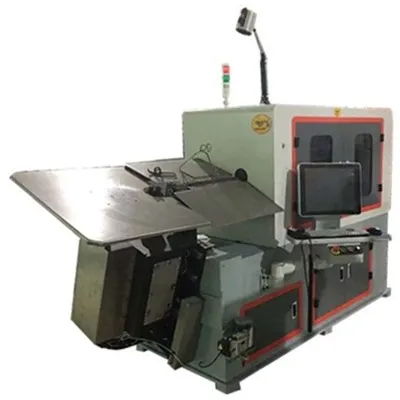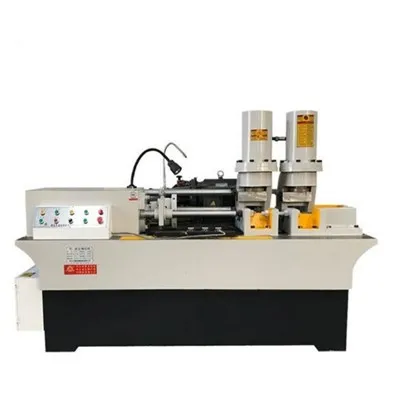

When it comes to operating a rolling threading machine in a low - temperature environment, there are several special requirements that users need to be aware of. As a supplier of rolling threading machines, I have seen firsthand the challenges and considerations that come with using these machines in cold conditions. In this blog, I will delve into the key aspects that need attention to ensure the proper functioning and longevity of the equipment.
Lubrication and Cooling
One of the most critical factors in a low - temperature environment is the lubrication of the rolling threading machine. Lubricants play a vital role in reducing friction between moving parts, preventing wear and tear, and ensuring smooth operation. However, in cold temperatures, the viscosity of lubricants can increase significantly. This can lead to poor circulation, making it difficult for the lubricant to reach all the necessary components.
To address this issue, it is essential to use lubricants specifically designed for low - temperature applications. These lubricants have a lower pour point, which means they remain fluid at colder temperatures. They also have better cold - flow properties, allowing them to circulate effectively throughout the machine. Regularly checking the lubricant level and quality is also crucial. In cold conditions, the lubricant may thicken over time, and it may need to be changed more frequently to maintain optimal performance.
The cooling system of the rolling threading machine also requires special attention. In a low - temperature environment, the coolant may freeze if not properly protected. This can cause damage to the cooling system and disrupt the normal operation of the machine. Using a coolant with a low freezing point is essential. Antifreeze additives can be added to the coolant to lower its freezing temperature. Additionally, insulating the coolant lines can help prevent heat loss and reduce the risk of freezing.
Material Properties
The materials used in the rolling threading process can be affected by low temperatures. Metals, for example, become more brittle in cold conditions. This means that they are more likely to crack or break during the threading process. When selecting materials for threading in a low - temperature environment, it is important to choose those with good cold - toughness.
The hardness of the materials can also change in cold temperatures. This can affect the threading quality and the life of the threading dies. Softer materials may deform more easily, while harder materials may cause excessive wear on the dies. Adjusting the threading parameters, such as the feed rate and the rolling force, may be necessary to compensate for the changes in material properties.
Electrical and Electronic Components
The electrical and electronic components of the rolling threading machine are also sensitive to low temperatures. Batteries, for example, have reduced performance in cold conditions. Their capacity decreases, and they may not be able to provide sufficient power to the machine. It is important to keep the batteries warm, either by using battery heaters or by storing the machine in a heated area when not in use.
Electronic control systems can also be affected by cold temperatures. Circuit boards may become more brittle, and solder joints may be more prone to cracking. Condensation can also occur when the machine is moved from a cold environment to a warmer one, which can cause short - circuits and damage to the electronics. To prevent these issues, it is advisable to use electronic components that are rated for low - temperature operation. Additionally, providing proper insulation and ventilation for the control cabinet can help maintain a stable temperature and reduce the risk of condensation.
Machine Structure and Mechanics
The mechanical structure of the rolling threading machine can be affected by thermal contraction in a low - temperature environment. Different parts of the machine may contract at different rates, which can lead to misalignment and increased stress on the components. Regularly checking the alignment of the machine and tightening any loose bolts or fasteners is essential.


The moving parts of the machine, such as the slides and the spindles, may also experience increased friction in cold conditions. This can affect the accuracy and smoothness of the threading process. Applying a thin layer of anti - friction coating to the moving parts can help reduce friction and improve the overall performance of the machine.
Operator Safety
In a low - temperature environment, operator safety is of utmost importance. Workers need to be properly dressed in warm clothing to prevent hypothermia. Gloves should be worn to protect the hands from cold and potential injuries. However, gloves should not be too bulky, as they may affect the operator's dexterity and ability to operate the machine safely.
The floor around the machine may be slippery in cold conditions, especially if there is moisture or ice. Non - slip mats should be placed in the working area to prevent slips and falls. Adequate lighting is also necessary to ensure that the operator can see clearly and perform the threading process safely.
Maintenance and Inspection
Regular maintenance and inspection are even more important in a low - temperature environment. Before starting the machine, a thorough pre - start inspection should be carried out. This includes checking the lubricant level, the coolant level, the electrical connections, and the mechanical alignment. Any signs of damage or wear should be addressed immediately.
After each use, the machine should be cleaned and dried to prevent corrosion. Storing the machine in a heated area when not in use can also help extend its lifespan. Regularly lubricating the moving parts and tightening the fasteners can prevent problems caused by thermal contraction and vibration.
Our Product Offerings
At our company, we understand the unique challenges of using rolling threading machines in low - temperature environments. That's why we offer a range of high - quality Thread Rolling Machines designed to perform well in various conditions. Our Hydraulic Thread Rolling Machine is equipped with advanced features to ensure reliable operation in cold temperatures. It has a high - performance lubrication system and a well - protected cooling system to prevent freezing.
Our Thread Rolling Machine for Bolt is also designed to handle different materials, even in low - temperature conditions. It can adjust the threading parameters automatically to compensate for changes in material properties, ensuring high - quality threading results.
Conclusion
Using a rolling threading machine in a low - temperature environment requires careful consideration of various factors. From lubrication and material properties to electrical components and operator safety, every aspect of the machine's operation needs to be optimized for cold conditions. By following the special requirements outlined in this blog, users can ensure the proper functioning and longevity of their rolling threading machines.
If you are interested in our rolling threading machines or have any questions about using them in a low - temperature environment, please feel free to contact us. We are always ready to provide you with professional advice and high - quality products.
References
- "Handbook of Mechanical Engineering" by Mark's Standard Handbook for Mechanical Engineers
- "Materials Science and Engineering: An Introduction" by William D. Callister Jr. and David G. Rethwisch
- "Electrical Engineering Handbook" by Richard C. Dorf