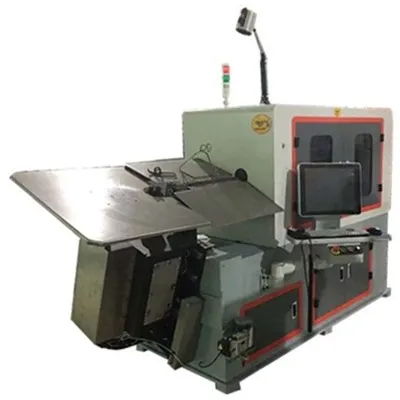

Hey there! As a supplier of wire bending machines, I've seen firsthand how crucial it is to optimize the bending process. It not only saves time and money but also ensures the production of high - quality wire products. In this blog, I'll share some tips on how to optimize the bending process of a wire bending machine.
Understanding Your Wire Bending Machine
First things first, you gotta know your machine inside out. Different wire bending machines have different features and capabilities. For example, our Double Wire O Forming Machine is designed specifically for creating double - wire O - shaped products. It has unique settings and functions that are tailored to this particular type of bending.
Take the time to read the user manual thoroughly. It might seem boring, but it's a goldmine of information. You'll learn about the machine's maximum wire diameter it can handle, the range of bending angles, and the speed settings. Knowing these details will help you set up the machine correctly for each job.
Selecting the Right Wire
The type of wire you use plays a huge role in the bending process. You need to consider factors like the wire's material, diameter, and hardness. For instance, if you're using a soft wire like copper, it's going to bend more easily compared to a hard wire like stainless steel.


When choosing a wire, make sure it's compatible with your machine. Using a wire with a diameter that's too large or too small can cause problems. A wire that's too thick might overload the machine, while a wire that's too thin might not be bent accurately.
Setting the Correct Bending Parameters
Once you've got the right machine and wire, it's time to set the bending parameters. This includes things like the bending angle, the bending radius, and the feed rate.
The bending angle is pretty straightforward. It's the angle at which you want the wire to be bent. Make sure to set it accurately, as even a small deviation can affect the final product. The bending radius, on the other hand, determines how sharp or gentle the bend will be. A smaller radius will result in a sharper bend, while a larger radius will give you a more gradual curve.
The feed rate is how fast the wire is fed into the machine. If the feed rate is too fast, the machine might not be able to bend the wire properly. If it's too slow, it'll take forever to complete the job. You'll need to find the right balance based on the type of wire and the complexity of the bend.
Maintaining Your Machine
Regular maintenance is key to optimizing the bending process. A well - maintained machine will work more efficiently and produce better results.
Clean the machine regularly to remove any dust, debris, or metal shavings. These can build up over time and cause problems with the machine's moving parts. Check the lubrication levels and make sure all the moving parts are properly lubricated. This will reduce friction and wear, extending the machine's lifespan.
Inspect the machine for any signs of damage or wear. Replace any worn - out parts immediately. A faulty part can not only affect the bending quality but also pose a safety risk.
Training Your Operators
Even the best machine won't perform well if the operators don't know how to use it properly. That's why it's important to provide comprehensive training for your operators.
The training should cover everything from basic machine operation to advanced bending techniques. Operators should know how to set up the machine, how to adjust the bending parameters, and how to troubleshoot common problems.
Encourage operators to share their experiences and learn from each other. This can help improve the overall efficiency of the bending process.
Using Advanced Software
Many modern wire bending machines come with advanced software that can greatly optimize the bending process. This software allows you to create and edit bending programs, simulate the bending process, and even monitor the machine's performance in real - time.
With the software, you can design complex bending patterns with ease. You can also make adjustments to the program quickly, without having to manually change the machine settings. This saves a lot of time and reduces the risk of errors.
Quality Control
Implementing a strict quality control system is essential for optimizing the bending process. Regularly check the bent wires for any defects, such as cracks, uneven bends, or incorrect dimensions.
Use measuring tools like calipers and gauges to ensure that the bent wires meet the required specifications. If you find any defects, analyze the root cause and make the necessary adjustments to the bending process.
Cost - Benefit Analysis
When trying to optimize the bending process, it's important to do a cost - benefit analysis. Some optimization methods might require an initial investment, such as buying new software or training operators. But in the long run, they can save you a lot of money by reducing waste, improving efficiency, and increasing product quality.
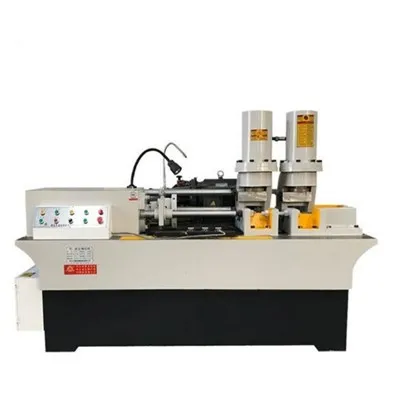
For example, investing in a 3 Roll Thread Rolling Machine or a Hydraulic Rolling Threading Machine might seem expensive at first. But these machines can produce high - quality threaded products more efficiently, which can lead to higher profits in the long term.
Continuous Improvement
The optimization process is not a one - time thing. It's an ongoing effort. Keep an eye on the latest industry trends and technologies. New materials, machines, and software are being developed all the time, and they might offer better ways to optimize your bending process.
Encourage feedback from your operators and customers. They can provide valuable insights into areas that need improvement. Use this feedback to make continuous adjustments to your bending process.
In conclusion, optimizing the bending process of a wire bending machine involves a combination of factors, from understanding your machine and selecting the right wire to maintaining the machine and training your operators. By following these tips, you can improve the efficiency, quality, and profitability of your wire bending operations.
If you're interested in learning more about our wire bending machines or have any questions about optimizing the bending process, don't hesitate to reach out. We're here to help you take your wire bending operations to the next level.
References
- "Handbook of Wire Bending Technology", Industry Press
- "Advanced Manufacturing Processes for Wire Products", Academic Journal of Manufacturing