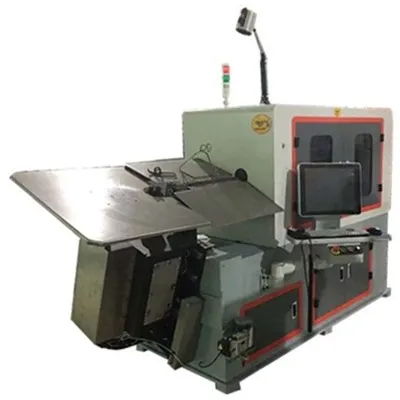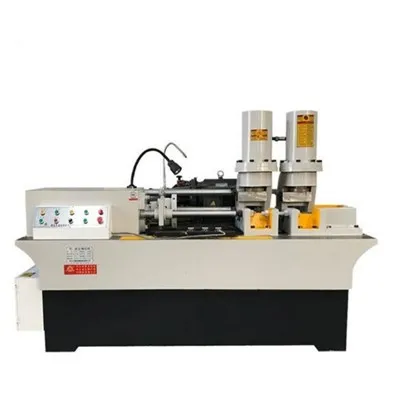

As a supplier of 3D CNC wire bending machines, ensuring the safety of operators is not only a moral obligation but also a key factor in maintaining high - quality production. In this blog, I will share some effective ways to guarantee the safety of operators when using a 3D CNC wire bending machine.
Pre - operation Safety Checks
Before starting the 3D CNC wire bending machine, a series of pre - operation safety checks are necessary. First, visually inspect the machine for any visible damage, such as loose parts, broken wires, or signs of wear on the bending tools. Check the lubrication levels of all moving parts. Proper lubrication reduces friction, which not only extends the machine's lifespan but also ensures smooth operation and minimizes the risk of sudden malfunctions.
Verify that all safety guards are in place and functioning correctly. Safety guards are designed to prevent operators from coming into contact with moving parts, such as the bending arms and the wire feeding mechanism. Any damage or misalignment of these guards should be addressed immediately.
Check the electrical system. Make sure all electrical connections are secure, and there are no exposed wires. A faulty electrical system can lead to electric shocks, short - circuits, or even fires. Use a multimeter to test the electrical components if necessary.
Operator Training
Proper training is the cornerstone of operator safety. Operators should receive comprehensive training on the operation of the 3D CNC wire bending machine. This includes understanding the machine's control panel, programming functions, and emergency stop procedures.
Training should cover both theoretical knowledge and practical skills. Theoretical training should explain the working principles of the machine, the functions of different components, and the potential hazards associated with the operation. Practical training allows operators to gain hands - on experience in setting up the machine, loading wires, and running bending programs.
Regular refresher courses should be provided to keep operators updated on the latest safety procedures and machine features. As technology advances, new safety features may be added to the 3D CNC wire bending machine, and operators need to be aware of these changes.
Personal Protective Equipment (PPE)
Personal protective equipment is essential for operator safety. Operators should wear safety glasses to protect their eyes from flying debris, such as wire chips or small metal particles. Gloves should be worn to protect hands from cuts and abrasions. Depending on the working environment, operators may also need to wear ear protection to reduce the noise level generated by the machine.
The PPE should be of high - quality and fit properly. Ill - fitting PPE may not provide adequate protection and can even interfere with the operator's ability to perform tasks safely. Regularly inspect the PPE for damage and replace it when necessary.
Machine Maintenance
Regular machine maintenance is crucial for ensuring the safety of operators. A well - maintained machine is less likely to malfunction, reducing the risk of accidents. Maintenance tasks include cleaning the machine, checking and replacing worn - out parts, and calibrating the machine's sensors and controls.
Create a maintenance schedule and stick to it. This schedule should include daily, weekly, monthly, and annual maintenance tasks. For example, daily maintenance may involve cleaning the wire feeding area and checking the lubrication levels. Weekly maintenance could include inspecting the bending tools for wear and tear. Monthly maintenance may involve calibrating the machine's axes, and annual maintenance may require a more comprehensive inspection of the entire machine.
Safety Features of the 3D CNC Wire Bending Machine
Modern 3D CNC wire bending machines are equipped with a variety of safety features. These features are designed to prevent accidents and protect operators. For example, emergency stop buttons are located in easily accessible places on the machine. When pressed, the machine will immediately stop all operations, preventing further damage or injury.
Some machines are also equipped with sensors that can detect abnormal conditions, such as over - loading or incorrect wire feeding. When an abnormal condition is detected, the machine will automatically stop and alert the operator.
Interlock systems are another important safety feature. These systems prevent the machine from operating when the safety guards are open. This ensures that operators cannot access the moving parts of the machine while it is running.
Risk Assessment
Conducting a risk assessment is an important step in ensuring operator safety. Identify all potential hazards associated with the operation of the 3D CNC wire bending machine, such as mechanical hazards (e.g., moving parts), electrical hazards, and noise hazards.
Evaluate the likelihood and severity of each hazard. Based on this evaluation, develop risk mitigation strategies. For example, if the risk of a mechanical hazard is high, additional safety guards or protective barriers may be installed.
Regularly review and update the risk assessment as the machine is used and as new hazards are identified. This will help to ensure that the safety measures in place are always effective.
Safe Working Environment
The working environment also plays an important role in operator safety. The area around the 3D CNC wire bending machine should be clean and well - organized. Cluttered work areas can increase the risk of tripping and falling.
Ensure that there is adequate lighting in the work area. Poor lighting can make it difficult for operators to see the machine's controls and the wire being bent, increasing the risk of errors and accidents.
The temperature and humidity in the work area should be within the recommended range for the machine. Extreme temperatures or high humidity can affect the performance of the machine and may even cause damage to its components.
Emergency Response Plan
Develop an emergency response plan in case of an accident. This plan should include procedures for dealing with different types of emergencies, such as fires, electrical shocks, and injuries.


Train operators on the emergency response plan and conduct regular drills. This will ensure that operators know what to do in case of an emergency and can respond quickly and effectively.
In conclusion, ensuring the safety of operators when using a 3D CNC wire bending machine requires a comprehensive approach that includes pre - operation checks, operator training, the use of personal protective equipment, machine maintenance, the utilization of safety features, risk assessment, creating a safe working environment, and having an emergency response plan.
If you are interested in our Cnc 3d Wire Bending Machine, Automatic 3d Wire Bending Machine or 3d Cnc Wire Bending Machine, and want to discuss procurement details, please feel free to reach out to us. We are committed to providing high - quality machines and excellent service to meet your needs.
References
- OSHA (Occupational Safety and Health Administration) guidelines on machine safety.
- Manufacturer's manual for 3D CNC wire bending machines.
- Industry best practices for operator safety in wire bending operations.