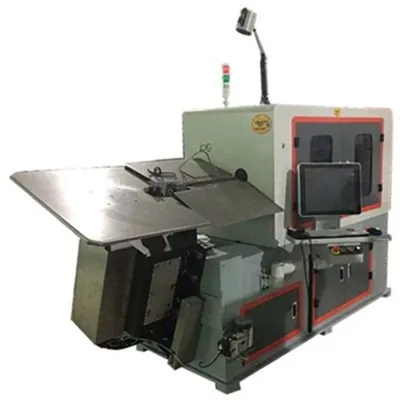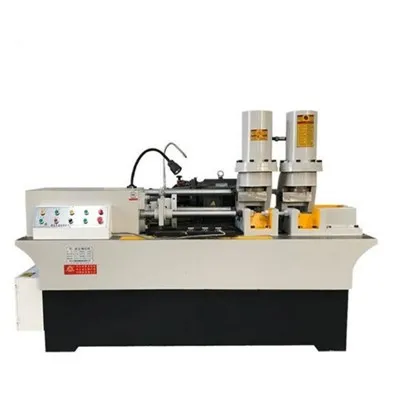

The cutting speed of a reducing diameter machine is a crucial parameter that significantly impacts its performance, efficiency, and the quality of the finished products. As a leading supplier of Reducing Diameter Machines, we understand the importance of this factor and are committed to providing our customers with in - depth knowledge about it.
Understanding the Concept of Cutting Speed
Cutting speed, in the context of a reducing diameter machine, refers to the relative speed between the cutting tool and the workpiece during the diameter - reducing process. It is typically measured in meters per minute (m/min) or surface feet per minute (SFM). This speed is a key determinant of how quickly and effectively the machine can remove material from the workpiece to achieve the desired reduced diameter.
The cutting speed is influenced by several factors, including the type of material being processed, the hardness of the material, the geometry of the cutting tool, and the machine's power and capabilities. For example, when working with softer materials such as aluminum, a higher cutting speed can be used compared to harder materials like stainless steel.
Factors Affecting the Cutting Speed
Material Properties
The material of the workpiece is one of the most significant factors affecting the cutting speed. Different materials have different physical and mechanical properties, such as hardness, toughness, and thermal conductivity. Harder materials generally require lower cutting speeds to avoid excessive tool wear and damage. For instance, when reducing the diameter of a high - strength alloy steel rod, the cutting speed needs to be carefully adjusted to prevent the cutting tool from overheating and losing its cutting edge. On the other hand, softer materials like copper can tolerate higher cutting speeds, which can lead to increased productivity.
Cutting Tool Geometry
The geometry of the cutting tool also plays a vital role in determining the appropriate cutting speed. Tools with sharp cutting edges and proper rake angles can cut more efficiently and may allow for higher cutting speeds. For example, a tool with a positive rake angle can reduce the cutting force and heat generation, enabling a faster cutting speed. Additionally, the type of coating on the cutting tool can enhance its performance. A tool with a high - quality coating, such as titanium nitride (TiN), can withstand higher temperatures and wear, allowing for an increase in the cutting speed.
Machine Power and Rigidity
The power and rigidity of the reducing diameter machine are essential factors for determining the cutting speed. A machine with sufficient power can drive the cutting tool at higher speeds without stalling. If the machine's power is insufficient, attempting to operate at a high cutting speed may result in poor surface finish, inaccurate dimensions, and even damage to the machine. Moreover, a rigid machine structure can minimize vibrations during the cutting process, which is crucial for maintaining a stable cutting speed and achieving high - quality results.
Importance of Optimal Cutting Speed
Productivity
An optimal cutting speed can significantly improve the productivity of the reducing diameter machine. By choosing the right cutting speed, the machine can remove material at a faster rate, reducing the processing time for each workpiece. This is especially important in mass production environments, where even a small increase in cutting speed can lead to a substantial increase in overall output. For example, in a factory that produces a large number of rebar steel rods with reduced diameters, optimizing the cutting speed can result in a significant reduction in production time and cost.
Tool Life
Proper cutting speed is also crucial for extending the life of the cutting tool. When the cutting speed is too high, the tool is subjected to excessive heat and wear, which can cause it to dull quickly and require frequent replacement. On the other hand, if the cutting speed is too low, the tool may rub against the workpiece rather than cut it cleanly, also leading to premature wear. By selecting the optimal cutting speed, the tool can operate under more favorable conditions, reducing wear and tear and increasing its service life.


Quality of the Finished Product
The cutting speed has a direct impact on the quality of the finished product. An appropriate cutting speed can ensure a smooth surface finish, accurate dimensions, and good mechanical properties of the workpiece. If the cutting speed is too high, it may cause surface roughness, chatter marks, and dimensional inaccuracies. Conversely, a very low cutting speed may result in a poor surface finish due to the tool's rubbing action. Therefore, finding the right cutting speed is essential for producing high - quality products that meet the required specifications.
Determining the Cutting Speed
To determine the appropriate cutting speed for a reducing diameter machine, it is necessary to consider all the factors mentioned above. One common approach is to refer to cutting speed charts provided by tool manufacturers. These charts typically list recommended cutting speeds for different materials and cutting tools. However, these values are only general guidelines, and actual cutting speeds may need to be adjusted based on the specific conditions of the machining operation.
Another method is to conduct trial cuts. By starting with a relatively low cutting speed and gradually increasing it while monitoring the tool wear, surface finish, and dimensional accuracy of the workpiece, the optimal cutting speed can be determined. This approach allows for a more precise adjustment of the cutting speed based on the actual performance of the machine and the workpiece.
Our Reducing Diameter Machines and Cutting Speed
As a supplier of Reducing Diameter Machines, we offer a wide range of machines that are designed to operate at optimal cutting speeds for different applications. Our High - Efficiency Diameter Reducing Machine is equipped with advanced control systems that allow for precise adjustment of the cutting speed. This machine is suitable for various materials, including steel, aluminum, and copper, and can achieve high - quality results with excellent productivity.
Our Reducing Diameter Machine for Rebar Steel Rod is specifically designed for the construction industry. It can handle large - diameter rebar steel rods and reduce their diameters accurately and efficiently. The machine's powerful motor and rigid structure enable it to operate at the appropriate cutting speed for rebar steel, ensuring long - tool life and high - quality finished products.
In addition, our High - Efficiency Reducing Diameter Machine features innovative technology that optimizes the cutting process. It can automatically adjust the cutting speed based on the material properties and other parameters, providing a more convenient and efficient machining experience.
Contact Us for Purchase and Consultation
If you are interested in our Reducing Diameter Machines and want to learn more about the cutting speed and other technical details, we encourage you to contact us. Our team of experts is ready to provide you with professional advice and solutions tailored to your specific needs. Whether you are a small - scale workshop or a large - scale manufacturing enterprise, we can offer the right machine and support to help you achieve your production goals.
References
- Machining Handbook, Industrial Press Inc.
- Cutting Tool Technology, Sandvik Coromant
- Principles of Metal Cutting and Machine Tools, P. H. Selvaraj