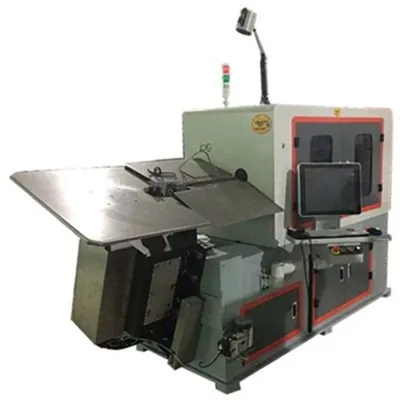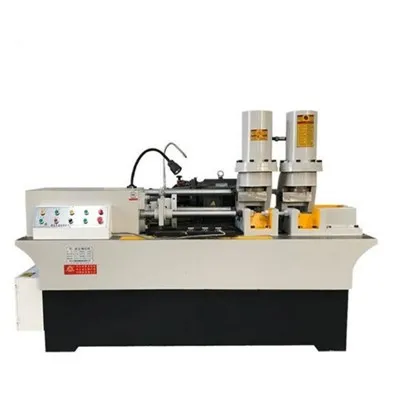

Hey there! As a supplier of thread rolling machines, I've seen firsthand how crucial it is to train operators properly. A well - trained operator not only maximizes the machine's efficiency but also ensures high - quality output and a safe working environment. So, let's dive into how you can train operators to use a thread rolling machine.
Understanding the Basics of Thread Rolling Machines
Before we start training, it's important for operators to have a basic understanding of what a thread rolling machine does. Thread rolling machines are used to create threads on various workpieces, like bolts, screws, and pipes. There are different types of thread rolling machines, such as the 3 - die Pipe Type Thread Rolling Machine, Thread Rolling Machines, and High - precision Thread Rolling Machine. Each type has its own features and applications.
Safety First
Safety is the top priority when operating any machine, and thread rolling machines are no exception. The first part of the training should focus on safety procedures.
- Personal Protective Equipment (PPE): Make sure operators know they must wear appropriate PPE, such as safety glasses, ear protection, and gloves. Safety glasses protect their eyes from flying debris, while ear protection is necessary because thread rolling machines can be quite noisy. Gloves help prevent cuts and abrasions.
- Machine Guards: Teach operators about the importance of machine guards. These guards are in place to prevent accidental contact with moving parts. They should never remove or bypass the guards while the machine is running.
- Emergency Stop Buttons: Show operators where the emergency stop buttons are located on the machine. They need to know how to use them quickly in case of an emergency.
Machine Familiarization
Once operators understand safety, it's time for them to get familiar with the thread rolling machine itself.
- Control Panel: Walk them through the control panel. Explain what each button, switch, and display means. For example, they need to know how to turn the machine on and off, adjust the speed, and set the threading parameters.
- Tooling Setup: Teach them about the different types of tooling used in the thread rolling machine. Show them how to install and remove the dies correctly. Incorrect tooling setup can lead to poor - quality threads or even damage to the machine.
- Feed System: Explain the feed system of the machine. This includes how to load the workpieces into the machine and how to adjust the feed rate. The feed rate affects the speed at which the threads are formed and can impact the quality of the final product.
Operating Procedures
Now, let's get into the actual operating procedures.
- Pre - operation Checks: Before starting the machine, operators should perform pre - operation checks. This includes checking the lubrication levels, inspecting the tooling for any damage, and ensuring that all safety guards are in place.
- Threading Process: Walk them through the threading process step by step. First, they need to select the appropriate dies based on the thread size and pitch required. Then, they load the workpiece into the machine and set the threading parameters on the control panel. Once everything is set, they can start the machine and let it do its job.
- Quality Control: Teach operators how to perform quality control checks during the threading process. They should measure the thread size, pitch, and depth regularly using tools like calipers and thread gauges. If they notice any deviations from the specifications, they need to stop the machine and make the necessary adjustments.
Troubleshooting
Even with proper training and maintenance, problems can still occur. So, it's important to train operators on basic troubleshooting techniques.
- Common Problems: Familiarize them with common problems that can occur with thread rolling machines, such as poor - quality threads, excessive noise, or machine jams.
- Troubleshooting Steps: Teach them the steps to take when they encounter these problems. For example, if the threads are of poor quality, they can check the tooling for wear, adjust the threading parameters, or clean the machine. If there is excessive noise, they can check the lubrication levels or look for loose parts.
Hands - on Training
Theory is important, but hands - on training is where the real learning happens. Let operators practice using the thread rolling machine under your supervision. Start with simple threading tasks and gradually increase the complexity as they gain more confidence and skills. Provide feedback and guidance during the hands - on training sessions. Point out their mistakes and show them how to correct them. Encourage them to ask questions and learn from their experiences.
Continuous Learning
Finally, training doesn't stop after the initial training sessions. Encourage operators to engage in continuous learning. Provide them with access to training materials, such as manuals, videos, and online resources. You can also organize refresher courses from time to time to keep their skills up - to - date.


If you're in the market for a thread rolling machine or need more information on training your operators, don't hesitate to reach out. We're here to help you make the most of your investment in our machines and ensure that your operators are well - trained to use them safely and efficiently.
References
- General Industry Standards for Machine Tool Safety
- Manufacturer's Manuals for Thread Rolling Machines