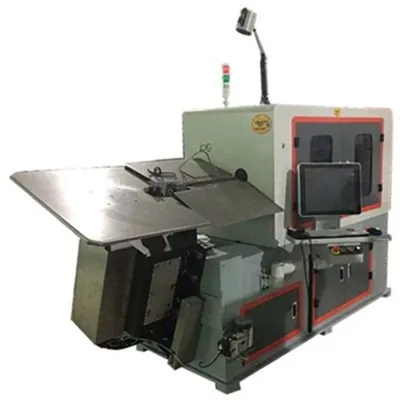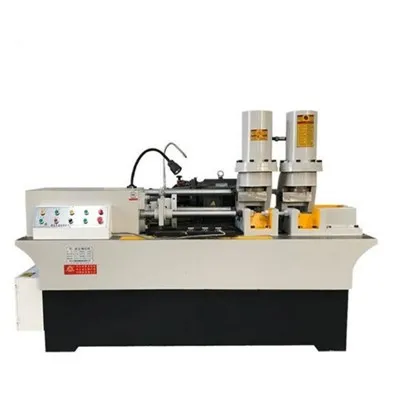

As a supplier of Pipe Thread Rolling Machines, I've witnessed firsthand the numerous advantages these machines offer in the manufacturing and construction industries. They efficiently create strong, precise threads on pipes, enhancing productivity and ensuring high - quality end - products. However, it's essential to have an open and honest discussion about the disadvantages of using a Pipe Thread Rolling Machine. This knowledge can help potential buyers make more informed decisions when considering investing in this equipment.
High Initial Investment
One of the most significant drawbacks of a Pipe Thread Rolling Machine is the high initial cost. These machines are complex pieces of equipment that require advanced engineering and high - quality materials to function effectively. The price of a Pipe Thread Rolling Machine can vary depending on its size, capacity, and features, but in general, they are not cheap. Small - scale manufacturers or businesses with limited budgets may find it challenging to afford these machines. The cost includes not only the purchase price but also the expenses associated with installation, training of operators, and initial setup. For example, a medium - sized industrial Pipe Thread Rolling Machine can cost anywhere from several thousand to tens of thousands of dollars. This significant financial outlay can be a deterrent for many companies, especially those just starting out or operating on a tight margin.
Limited Flexibility
Pipe Thread Rolling Machines are designed to perform a specific task: rolling threads on pipes. While they are highly efficient at this job, they lack flexibility in terms of the types of work they can handle. If a business needs to produce a variety of different products or perform different operations, a Pipe Thread Rolling Machine may not be the best choice. For instance, if a manufacturer also needs to cut, bend, or perform other non - threading operations on pipes, they will need to invest in additional machinery. Moreover, these machines are often optimized for specific pipe sizes and thread types. Changing the settings to accommodate different pipe diameters or thread profiles can be time - consuming and may require specialized tools and expertise. This lack of flexibility can limit the range of products a business can offer and may result in lost opportunities in the market.
Maintenance Requirements
Maintaining a Pipe Thread Rolling Machine is a continuous and often costly process. These machines have many moving parts, such as gears, rollers, and motors, which are subject to wear and tear over time. Regular maintenance is essential to ensure the machine operates at peak performance and to prevent breakdowns. This includes tasks such as lubrication, cleaning, inspection of parts for damage, and replacement of worn - out components. The cost of maintenance can add up over time, especially if the machine is used frequently. In addition, finding qualified technicians to perform maintenance can be a challenge, especially in areas where there is a shortage of skilled labor. A breakdown of the machine can also lead to significant downtime, which can disrupt production schedules and result in lost revenue. For example, if a key component like a roller needs to be replaced, it may take several days to source the part and have it installed, during which time the production line will be idle.
Noise and Vibration
Pipe Thread Rolling Machines generate a significant amount of noise and vibration during operation. The process of rolling threads involves high - speed rotation and pressure, which creates loud noises that can be a nuisance to workers and nearby residents. Prolonged exposure to high - level noise can lead to hearing loss and other health problems for workers. To comply with safety regulations, businesses need to provide workers with appropriate hearing protection, which adds to the operational costs. The vibration generated by the machine can also cause problems. It can affect the accuracy of the threading process if not properly controlled. Excessive vibration can lead to uneven threads, which can compromise the quality of the finished product. Moreover, the vibration can also cause damage to the machine itself and the surrounding equipment over time. This may require additional measures to dampen the vibration, such as installing vibration - absorbing pads or using specialized mounting systems.
Training Requirements for Operators
Operating a Pipe Thread Rolling Machine requires specialized training. The machine has complex controls and settings that need to be adjusted correctly to produce high - quality threads. Improper operation can lead to defective products, damage to the machine, and safety hazards. Training operators takes time and resources. A comprehensive training program should cover topics such as machine operation, safety procedures, maintenance, and troubleshooting. For a new operator, it may take several weeks or even months to become proficient in operating the machine. This can be a challenge for businesses, especially those with high turnover rates or a shortage of skilled labor. In addition, the cost of training, including the fees for trainers and the time spent by operators away from production, can be significant.
Safety Risks
There are inherent safety risks associated with operating a Pipe Thread Rolling Machine. The high - speed moving parts, sharp edges, and high - pressure operations pose a danger to operators. If proper safety measures are not in place, workers can be at risk of injuries such as cuts, burns, and entanglement in the machine. For example, if an operator's clothing or hair gets caught in the moving parts, it can result in serious injury. To mitigate these risks, businesses need to invest in safety equipment such as guards, emergency stop buttons, and safety interlocks. However, even with these safety features, accidents can still occur if operators do not follow proper safety procedures. Training operators on safety protocols is crucial, but human error can never be completely eliminated.
Environmental Impact
Pipe Thread Rolling Machines can have a negative impact on the environment. The operation of these machines often requires the use of lubricants and coolants to reduce friction and heat during the threading process. These lubricants and coolants can be hazardous to the environment if not properly managed. They may contain chemicals that can contaminate soil and water if they are not disposed of correctly. In addition, the energy consumption of these machines is relatively high. The motors and other components require a significant amount of electricity to operate, which contributes to the overall carbon footprint of the manufacturing process. As environmental regulations become more stringent, businesses may face additional costs and compliance requirements to reduce the environmental impact of their Pipe Thread Rolling Machines.
Dependence on Power Supply
Pipe Thread Rolling Machines are highly dependent on a stable power supply. Any interruption in the power can cause problems during the threading process. For example, a power outage in the middle of a threading operation can result in a defective product. Restarting the machine and resuming the process may require additional time and effort. In areas where power supply is unreliable, businesses may need to invest in backup power systems such as generators. These backup systems add to the overall cost of operating the machine and require additional maintenance. Moreover, the use of generators also has its own environmental and cost implications, such as the consumption of fuel and the emission of pollutants.
Despite these disadvantages, Pipe Thread Rolling Machines still offer many benefits, such as high - quality threading, increased productivity, and long - term durability. If a business has a high - volume production of threaded pipes and can justify the initial investment and ongoing costs, a Pipe Thread Rolling Machine can be a valuable asset.
If you are considering purchasing a Pipe Thread Thread Rolling Machine or a Scaffolding Pipe Thread Rolling Machine, we understand that you need to weigh the pros and cons carefully. Our team of experts can provide you with more detailed information about the machines, including their performance, maintenance requirements, and cost - effectiveness. We are committed to helping you make the right decision for your business. Contact us to discuss your specific needs and start a procurement negotiation. We look forward to working with you to find the best solution for your threading requirements.


References
- "Industrial Machinery Handbook": A comprehensive guide on the operation and maintenance of industrial machines, including Pipe Thread Rolling Machines.
- "Manufacturing Technology Journal": Articles on the latest trends and challenges in the manufacturing industry, with insights into the use of Pipe Thread Rolling Machines.
- "Safety Standards for Industrial Equipment": Documents outlining the safety regulations and requirements for operating Pipe Thread Rolling Machines.