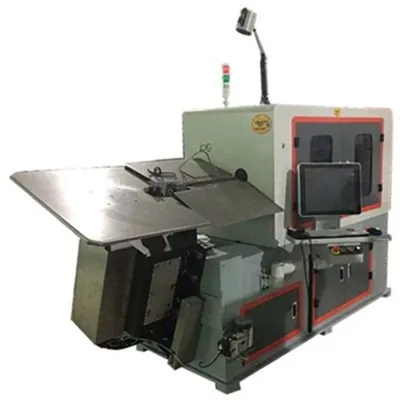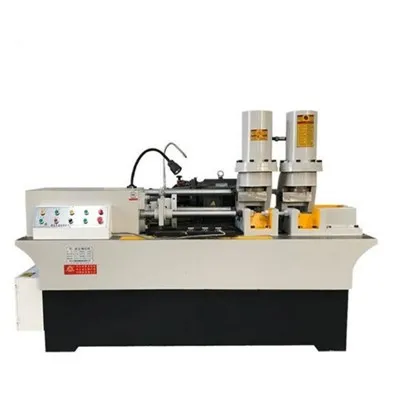

Hey there! As a supplier of Rolling Threading Machine, I've seen firsthand how important it is to keep your threading dies in top - notch condition. In this blog, I'm gonna walk you through the process of resharpening the threading dies of a rolling threading machine.
Why Resharpen Threading Dies?
Before we dive into the how - to, let's talk about why resharpening is so crucial. Over time, the threading dies on your rolling threading machine wear out. This wear can lead to poor thread quality, such as incorrect thread pitch, rough surfaces, or even incomplete threads. When your threads aren't up to par, it can cause problems in the assembly process, reduce the lifespan of the threaded parts, and ultimately, lead to customer dissatisfaction. By regularly resharpening your threading dies, you can maintain the quality of your threads, increase the efficiency of your production, and save money in the long run by avoiding the need to replace the dies too frequently.
Tools You'll Need
To resharpen the threading dies of a rolling threading machine, you'll need a few essential tools:
- Sharpening Stone: A high - quality sharpening stone is a must. You can choose between a natural stone or a synthetic one. Synthetic stones are often more popular because they're more consistent in their abrasive properties and easier to maintain.
- Lapping Compound: This is used to fine - tune the sharpness of the dies after using the sharpening stone. It helps to create a smooth and precise cutting edge.
- Cleaning Solvent: You'll need a good cleaning solvent to remove any debris, metal shavings, or old lubricant from the dies before and after the sharpening process.
- Brushes: Small brushes are useful for applying the lapping compound and for cleaning the dies.
- Safety Gear: Don't forget to wear safety glasses and gloves to protect yourself from any flying debris or sharp edges.
Step - by - Step Resharpening Process
Step 1: Remove the Dies
First things first, you need to remove the threading dies from the rolling threading machine. Make sure the machine is turned off and unplugged to avoid any accidents. Refer to the machine's manual for the specific instructions on how to remove the dies. Usually, it involves loosening some bolts or screws that hold the dies in place. Once the dies are removed, handle them carefully as they're sharp and can be easily damaged.
Step 2: Clean the Dies
Take the removed dies and soak them in the cleaning solvent for a few minutes. This will help to loosen any dirt, metal shavings, or old lubricant. Use a brush to gently scrub the dies, paying special attention to the cutting edges and the grooves. Rinse the dies thoroughly with clean water and dry them with a clean cloth.
Step 3: Inspect the Dies
Before you start sharpening, take a close look at the dies. Look for any signs of damage, such as cracks, chips, or excessive wear. If you notice any major damage, it might be time to replace the dies instead of trying to resharpen them. However, if the wear is just normal and the dies are still in relatively good condition, you can proceed with the sharpening process.
Step 4: Sharpen the Dies with the Stone
Place the sharpening stone on a stable surface. Apply a small amount of lubricant (usually water or oil, depending on the type of stone) to the stone to reduce friction. Hold the threading die firmly against the stone at the correct angle. The angle depends on the type of threads the die is designed to cut. For most standard threads, an angle of around 30 - 45 degrees is common, but it's best to refer to the die's specifications.
Move the die back and forth across the stone in a smooth, even motion. Apply light pressure and make sure to cover the entire cutting edge of the die. Repeat this process several times, checking the sharpness of the die periodically. You can do this by running your finger gently (but carefully!) along the cutting edge. If it feels dull, keep sharpening.


Step 5: Use the Lapping Compound
Once you're satisfied with the sharpness achieved with the stone, it's time to use the lapping compound. Apply a small amount of the lapping compound to a clean surface, like a flat metal plate. Rub the die against the lapping compound in a circular motion. This will help to further refine the cutting edge and remove any microscopic burrs or irregularities. Keep doing this for a few minutes until the cutting edge is smooth and sharp.
Step 6: Clean the Dies Again
After using the lapping compound, clean the dies once more with the cleaning solvent to remove any remaining compound and debris. Rinse them thoroughly and dry them completely.
Step 7: Reinstall the Dies
Once the dies are clean and dry, carefully reinstall them in the rolling threading machine. Make sure they're properly aligned and tightened according to the machine's specifications.
Tips for Maintaining Sharp Threading Dies
- Regular Cleaning: Clean the dies after each use to prevent the buildup of debris and metal shavings.
- Proper Lubrication: Use the right lubricant during the threading process. This not only helps to reduce friction and wear but also improves the quality of the threads.
- Inspect Regularly: Check the dies for wear and damage on a regular basis. Catching problems early can save you a lot of time and money.
Our Rolling Threading Machines
At our company, we offer a wide range of high - quality Rolling Threading Machine. Our Steel Thread Rolling Machine is perfect for creating precise threads on steel components. It's designed for high - volume production and offers excellent durability and reliability.
If you're in the business of producing bolts, our Thread Rolling Machine for Bolt is a great choice. It can handle different bolt sizes and thread types with ease, ensuring consistent and high - quality threads every time.
Contact Us for Purchase and Consultation
If you're interested in our rolling threading machines or have any questions about threading die resharpening, we'd love to hear from you. Whether you're looking to upgrade your current machine or need advice on maintaining your threading dies, our team of experts is here to help. Reach out to us to start a purchase negotiation and take your production to the next level.
References
- "Thread Rolling Handbook" by an industry expert.
- Manufacturer's manuals of rolling threading machines.