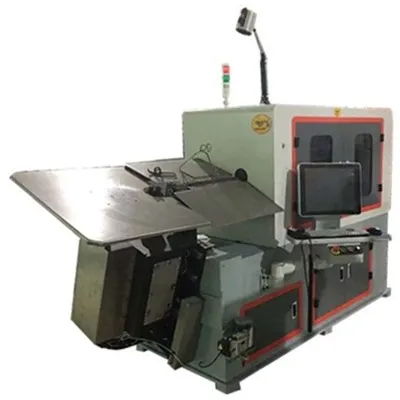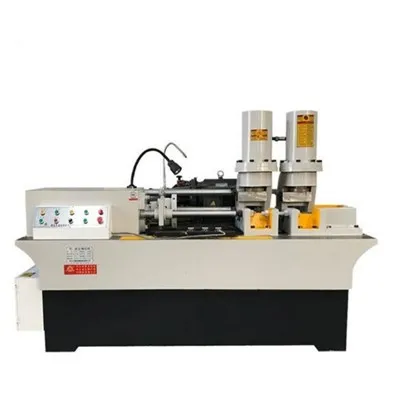

Hey there! As a supplier of Rebar Stirrup Bending Machine, I've seen firsthand the importance of getting high - quality bends from these machines. In this blog, I'm gonna share some tips on how to improve the bending quality of a rebar stirrup bending machine.
1. Machine Selection
First things first, picking the right machine is crucial. There are different types out there, like Cnc Stirrup Bending Machine and Automatic Stirrup Bending Machine.
CNC machines are super precise. They use computer - numerical control, which means you can program the exact angles and dimensions you need. This reduces human error and gives you consistent results every time. If you're working on a project that requires a large number of stirrups with the same specifications, a CNC machine is your best bet.
On the other hand, automatic stirrup bending machines are great for those who want a more hands - off approach. They can handle the bending process automatically, which saves time and labor. They're also relatively easy to operate, making them a good choice for small to medium - sized construction projects.
2. Rebar Quality
The quality of the rebar itself plays a huge role in the bending quality. You gotta use high - quality rebar that meets the relevant standards. Low - quality rebar may have internal defects, such as cracks or uneven hardness, which can cause problems during the bending process.
Before you start bending, make sure to inspect the rebar for any visible defects. Check for rust, as excessive rust can weaken the rebar and affect the bending quality. If the rebar is rusty, you might need to clean it first. You can use a wire brush or a sandblaster to remove the rust.
Also, pay attention to the diameter and grade of the rebar. Different bending machines are designed to handle different sizes and grades of rebar. Using the wrong type of rebar can put too much stress on the machine and lead to poor bending results.
3. Machine Maintenance
Regular maintenance is key to keeping your rebar stirrup bending machine in top shape. Just like a car, if you don't take care of it, it's gonna break down sooner or later.


Clean the machine after each use. Remove any debris, dust, or rebar shavings that may have accumulated. This helps prevent these particles from getting into the moving parts of the machine and causing damage.
Lubricate the machine regularly. The moving parts, such as the bending dies and the drive system, need proper lubrication to work smoothly. Use the lubricant recommended by the machine manufacturer and follow the lubrication schedule.
Check the machine's alignment and calibration regularly. Over time, the machine may become misaligned, which can affect the bending accuracy. You can use alignment tools to make sure the machine is properly aligned. And if the machine has a calibration function, make sure to calibrate it according to the manufacturer's instructions.
4. Bending Parameters
Setting the right bending parameters is essential for getting high - quality bends. The main parameters include the bending angle, bending radius, and feed speed.
The bending angle should be set according to the requirements of your project. Most bending machines allow you to adjust the bending angle easily. Make sure to double - check the angle setting before you start bending to avoid any mistakes.
The bending radius is another important parameter. A too - small bending radius can cause the rebar to crack or break, while a too - large bending radius may not meet the design requirements. Refer to the rebar bending standards and the machine's manual to determine the appropriate bending radius for your rebar.
The feed speed also affects the bending quality. A too - high feed speed can cause the rebar to bend unevenly or even get stuck in the machine. On the other hand, a too - low feed speed can be time - consuming. You need to find the right balance based on the type of rebar and the bending requirements.
5. Operator Training
Even the best machine won't perform well if the operator doesn't know how to use it properly. That's why operator training is so important.
Provide comprehensive training to your operators. Teach them how to operate the machine safely, how to set the bending parameters, and how to troubleshoot common problems. Make sure they understand the importance of following the safety procedures and the machine's operating instructions.
Encourage your operators to share their experiences and learn from each other. They may come up with some useful tips and tricks for improving the bending quality. And also, keep them updated on the latest technologies and best practices in rebar bending.
6. Testing and Inspection
After bending a batch of stirrups, it's important to test and inspect them to ensure they meet the quality requirements. You can use a variety of testing methods, such as visual inspection, measurement of the bending angle and radius, and non - destructive testing.
Visual inspection is the simplest and most common method. Check the stirrups for any visible cracks, deformations, or uneven bends. If you find any defects, you need to figure out the cause and take corrective actions.
Use measuring tools, such as a protractor and a caliper, to measure the bending angle and radius. Compare the measured values with the design requirements. If there are any significant deviations, you may need to adjust the bending parameters or the machine settings.
Non - destructive testing methods, such as ultrasonic testing or magnetic particle testing, can be used to detect internal defects in the rebar. These methods are more accurate but also more expensive and time - consuming. You can use them for critical projects or when you suspect there are internal defects in the rebar.
7. Feedback and Improvement
Finally, don't forget to collect feedback from your customers and operators. They can provide valuable insights into the bending quality and any problems they may have encountered.
Analyze the feedback and identify areas for improvement. Maybe you need to adjust the machine settings, improve the operator training, or change the type of rebar you're using. Make a plan to implement the improvements and monitor the results.
By continuously improving the bending quality, you can increase customer satisfaction, reduce waste, and save costs in the long run.
In conclusion, improving the bending quality of a rebar stirrup bending machine requires a combination of the right machine selection, proper rebar quality, regular maintenance, correct bending parameters, well - trained operators, thorough testing, and continuous improvement. If you follow these tips, you'll be able to produce high - quality stirrups that meet the needs of your construction projects.
If you're interested in purchasing a rebar stirrup bending machine or have any questions about improving the bending quality, feel free to reach out. We're here to help you get the best results from your bending operations.
References
- Construction Industry Institute. "Best Practices for Rebar Bending in Construction Projects."
- Manufacturer's Manuals for Rebar Stirrup Bending Machines.