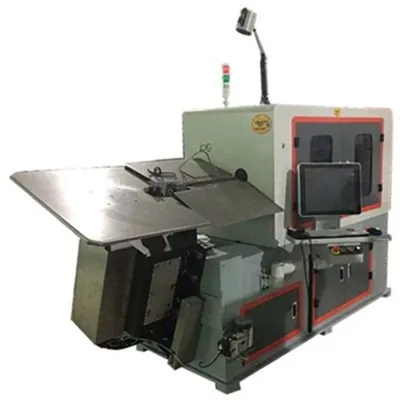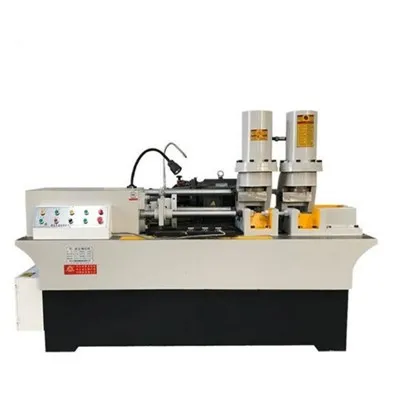

Hey there! As a supplier of wire thread rolling machines, I'm super stoked to walk you through how these nifty pieces of equipment operate. Whether you're in the manufacturing game or just curious about industrial machinery, this blog post is for you.


The Basics of a Wire Thread Rolling Machine
First off, let's get a handle on what a wire thread rolling machine is all about. These machines are used to create threads on various types of wires and rods. They're a key player in industries like automotive, construction, and fastener manufacturing. The process of thread rolling is way more efficient and produces better-quality threads compared to other methods like cutting.
How It All Starts: Loading the Workpiece
The operation of a wire thread rolling machine kicks off with loading the workpiece. This is the wire or rod that you want to add threads to. You'll carefully place it in the right position on the machine. Most modern machines have guides and fixtures to help you get the workpiece aligned just right. This step is crucial because if the workpiece isn't properly positioned, the threads won't come out correctly.
The Role of the Dies
Once the workpiece is in place, it's time for the dies to do their thing. Dies are like the molds that shape the threads on the workpiece. There are usually two types of dies in a wire thread rolling machine: flat dies and round dies. Flat dies are commonly used for shorter workpieces, while round dies are great for longer ones.
The dies are precision-engineered to have the exact shape and pitch of the threads you want to create. When the machine starts up, the dies move towards each other, squeezing the workpiece between them. As the dies roll over the workpiece, they displace the metal, forming the threads. It's a pretty amazing process to watch!
Powering the Machine
Wire thread rolling machines can be powered in different ways. You've got mechanical, hydraulic, and electric options. Each has its own pros and cons.
- Mechanical Machines: These are the traditional ones. They use a system of gears and levers to transfer power from the motor to the dies. They're simple and reliable, but they might not be as precise as some of the other types.
- Hydraulic Thread Rolling Machine: Hydraulic machines use fluid pressure to move the dies. They're known for their high power and ability to handle heavy-duty work. They can apply a lot of force evenly, which is great for creating deep and accurate threads.
- Electric Machines: Electric machines are becoming more popular these days. They're energy-efficient and offer precise control over the rolling process. They can be programmed to create different types of threads with ease.
The Rolling Process
Now, let's dive into the actual rolling process. Once the dies start moving, they grip the workpiece and start rolling it. As the workpiece rotates between the dies, the metal is gradually deformed to form the threads. The speed of the rolling process is important. If it's too fast, the threads might not form properly. If it's too slow, it can be a waste of time and energy.
Most wire thread rolling machines have adjustable speed settings, so you can find the sweet spot for your specific workpiece and thread requirements. The machine also has a feed mechanism that moves the workpiece through the dies at a consistent rate. This ensures that the threads are evenly spaced and have the right pitch.
Quality Control
During the rolling process, it's important to keep an eye on the quality of the threads. You can use various tools to check the dimensions and accuracy of the threads. For example, you might use a thread gauge to measure the pitch and diameter of the threads. If the threads don't meet the required specifications, you might need to adjust the machine settings or replace the dies.
Different Types of Threads
Wire thread rolling machines can create a wide variety of threads. You've got standard threads like metric and imperial threads, as well as special threads for specific applications. Some machines can even create multiple threads on a single workpiece.
- Rolling Threading Machine: These machines are designed to create threads on a variety of materials, including steel, aluminum, and brass. They're versatile and can be used in different industries.
- Roller Threading Machine: Roller threading machines are great for creating threads on round workpieces. They offer high precision and can produce threads with a smooth finish.
Maintenance and Safety
Like any piece of machinery, wire thread rolling machines need regular maintenance to keep them running smoothly. This includes lubricating the moving parts, checking the dies for wear and tear, and cleaning the machine regularly. It's also important to follow safety procedures when operating the machine. Make sure you wear appropriate safety gear, like gloves and goggles, and keep your hands and other body parts away from the moving parts.
Why Choose Our Wire Thread Rolling Machines
As a supplier, we take pride in offering high-quality wire thread rolling machines. Our machines are built to last and are designed with the latest technology to ensure precision and efficiency. We also provide excellent customer support, so if you have any questions or need help with your machine, we're here for you.
If you're in the market for a wire thread rolling machine, whether it's a Hydraulic Thread Rolling Machine, a Rolling Threading Machine, or a Roller Threading Machine, we've got you covered. We can work with you to find the right machine for your specific needs and budget.
Let's Connect
If you're interested in learning more about our wire thread rolling machines or want to discuss a potential purchase, don't hesitate to reach out. We're always happy to have a chat and help you make the right decision for your business. Whether you're a small workshop or a large manufacturing plant, we can provide the solutions you need.
References
- "Thread Rolling Handbook" by the Thread Rolling Association
- "Machinery's Handbook" by Industrial Press Inc.