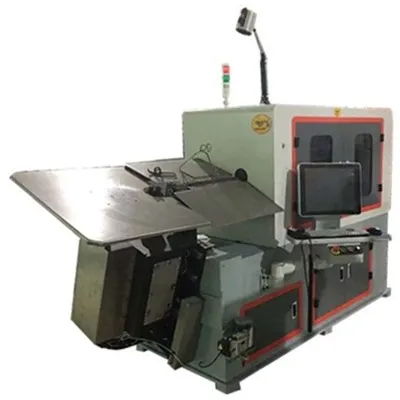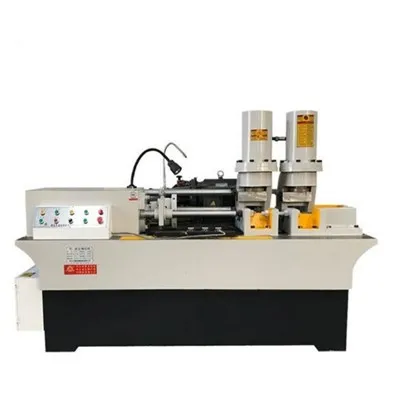

What is the power consumption of a steel thread rolling machine?
As a supplier of steel thread rolling machines, I often get asked about the power consumption of these essential pieces of industrial equipment. Understanding the power consumption of a steel thread rolling machine is crucial for several reasons. It not only affects operational costs but also plays a significant role in energy management and environmental sustainability. In this blog, I'll delve into the factors that influence power consumption, how to calculate it, and some tips to optimize energy use.
Factors Affecting Power Consumption
The power consumption of a steel thread rolling machine is determined by a variety of factors. First and foremost is the machine's motor. The power rating of the motor, usually measured in kilowatts (kW), is a primary determinant of how much electricity the machine will consume. A higher power-rated motor can handle more demanding tasks but will also draw more power.
The type of thread rolling operation also impacts power consumption. For instance, cold rolling, which is commonly used in steel thread rolling, requires a significant amount of force to deform the metal. The harder the steel and the more complex the thread profile, the more power the machine will need to complete the rolling process. Additionally, the speed at which the machine operates affects power consumption. Faster operation generally requires more power, as the machine has to move the components more quickly and apply greater force in a shorter period.
The efficiency of the machine itself plays a crucial role. A well - maintained and properly calibrated machine will operate more efficiently and consume less power compared to a machine that is in poor condition. Worn - out parts, such as bearings or belts, can increase friction and resistance, leading to higher power requirements.
Calculating Power Consumption
To calculate the power consumption of a steel thread rolling machine, you need to know the power rating of the motor and the operating time. The formula for calculating energy consumption (in kilowatt - hours, kWh) is:
Energy Consumption (kWh)=Power (kW)×Time (h)
For example, if a steel thread rolling machine has a motor with a power rating of 5 kW and it runs for 8 hours a day, the daily energy consumption would be:
5 kW×8 h = 40 kWh
Over a month (assuming 22 working days), the energy consumption would be:
40 kWh×22 = 880 kWh
This calculation gives you a basic understanding of how much electricity the machine will consume under normal operating conditions. However, it's important to note that actual power consumption may vary depending on the factors mentioned above.


Optimizing Power Consumption
As a supplier, I always recommend our customers take steps to optimize the power consumption of their steel thread rolling machines. Here are some practical tips:
- Regular Maintenance: Ensure that the machine is regularly maintained. This includes lubricating moving parts, checking and replacing worn - out components, and calibrating the machine for optimal performance. A well - maintained machine will operate more efficiently and use less power.
- Proper Sizing: Select a machine with an appropriate motor power rating for your specific production needs. Avoid using an oversized machine, as it will consume more power than necessary.
- Speed Control: Adjust the operating speed of the machine according to the requirements of the thread rolling task. Running the machine at a lower speed when possible can significantly reduce power consumption without sacrificing too much productivity.
- Use of Energy - Efficient Motors: Consider using energy - efficient motors in your steel thread rolling machines. These motors are designed to consume less electricity while providing the same level of performance.
Our Product Range and Power Efficiency
At our company, we offer a wide range of steel thread rolling machines, including the High - precision Thread Rolling Machine, Good Quality Thread Rolling Machine, and Hydraulic Thread Rolling Machine. Our machines are designed with power efficiency in mind. We use advanced motor technology and precision engineering to ensure that our machines consume less power while delivering high - quality thread rolling results.
Our high - precision thread rolling machines are equipped with high - efficiency motors that are carefully selected to match the specific requirements of the rolling process. This not only ensures accurate and consistent thread production but also minimizes power consumption. The good - quality thread rolling machines are built with durability and energy efficiency in mind. They are designed to operate smoothly with reduced friction, which in turn lowers power requirements. Our hydraulic thread rolling machines also utilize advanced hydraulic systems that are optimized for energy use.
Contact Us for Power - Efficient Solutions
If you're in the market for a steel thread rolling machine and want to learn more about our power - efficient products, we'd love to hear from you. Whether you're a small - scale manufacturer or a large - scale industrial enterprise, we can help you find the right machine to meet your production needs while keeping your power costs under control. Feel free to reach out to us for more information, product specifications, and pricing details. We are committed to providing our customers with the best - in - class thread rolling solutions and exceptional customer service.
References
- Brown, J. (2018). Industrial Machinery Energy Efficiency. New York: Industrial Press.
- Smith, R. (2020). Understanding Motor Power Consumption in Manufacturing. Journal of Manufacturing Technology, 45(2), 78 - 85.
- Thompson, M. (2019). Optimizing Energy Use in Metalworking Processes. London: Metalworking Publishing.