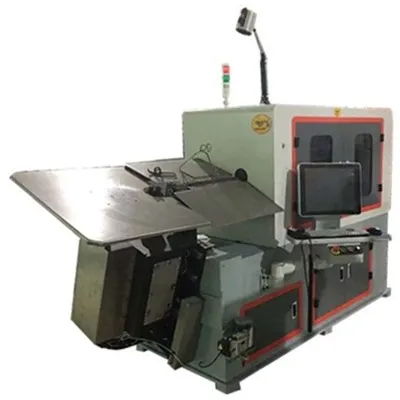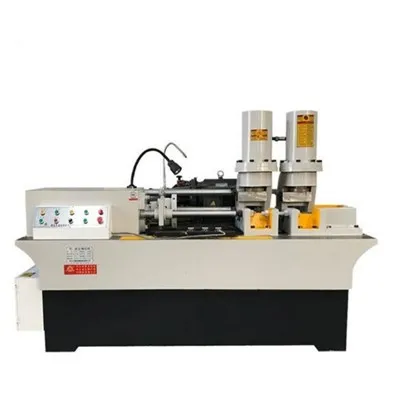

Operating a reducing diameter machine safely is of utmost importance in any industrial setting. As a supplier of high - quality reducing diameter machines, I understand the critical role that safety plays in the efficient and long - term operation of these machines. In this blog, I will share some essential guidelines on how to operate a reducing diameter machine safely.
Pre - operation Preparations
Before starting the reducing diameter machine, a series of pre - operation checks and preparations must be carried out. Firstly, ensure that the machine is installed on a stable and level surface. A wobbly or uneven base can lead to inaccurate diameter reduction and pose a significant safety risk during operation.
Inspect the machine thoroughly for any visible damage or wear. Check the belts, gears, and other moving parts for signs of excessive wear, cracks, or loose connections. Any damaged parts should be replaced immediately to prevent potential malfunctions. For example, a worn - out belt may slip during operation, causing the machine to lose power or function erratically.
Verify that all safety guards are in place and in good condition. Safety guards are designed to protect operators from moving parts, flying debris, and other hazards. They should not be removed or bypassed under any circumstances. If a guard is damaged, it should be repaired or replaced before starting the machine.
The electrical system of the reducing diameter machine also requires careful inspection. Check the power cord for any cuts, frays, or exposed wires. Ensure that the machine is properly grounded to prevent electrical shocks. It is also advisable to use a dedicated electrical circuit for the machine to avoid overloading and potential electrical fires.
Operator Training
One of the most crucial aspects of safe operation is proper operator training. Operators should receive comprehensive training on the specific model of the reducing diameter machine they will be using. This training should cover all aspects of the machine's operation, including its controls, functions, and safety features.
During the training, operators should learn how to load and unload workpieces correctly. For example, when loading a rebar or steel rod into a Rebar Steel Rod Reducing Machine, they should ensure that the workpiece is properly aligned and secured. Incorrect loading can lead to the workpiece being ejected from the machine, causing serious injuries.
Operators should also be trained on how to adjust the machine settings according to the specific requirements of the workpiece. This includes setting the appropriate reduction ratio, speed, and feed rate. Incorrect settings can result in poor - quality diameter reduction and may also put additional stress on the machine, leading to premature wear and potential breakdowns.
In addition to technical training, operators should be educated on safety procedures and emergency protocols. They should know how to stop the machine in case of an emergency, how to use personal protective equipment (PPE), and what to do in the event of an accident.
Personal Protective Equipment (PPE)
Wearing the appropriate PPE is essential for the safety of operators. When operating a reducing diameter machine, operators should wear safety glasses to protect their eyes from flying debris. The high - speed rotation of the machine can cause small particles to be ejected, which can cause serious eye injuries.
Hearing protection is also necessary, as reducing diameter machines can produce high levels of noise. Prolonged exposure to loud noises can lead to hearing loss. Depending on the noise level of the machine, operators may need to wear earplugs or earmuffs.
Gloves should be worn to protect the hands from cuts, abrasions, and burns. However, it is important to choose the right type of gloves. Loose - fitting gloves can get caught in the moving parts of the machine, so gloves should fit snugly and be made of a material that is resistant to heat and cuts.
Operators may also need to wear a safety helmet if there is a risk of falling objects or if they are working in an area with low - hanging structures. A safety apron can be worn to protect the body from oil, coolant, and other contaminants.
Operation Procedures
During the operation of the reducing diameter machine, operators should follow a set of strict procedures. Firstly, they should start the machine according to the manufacturer's instructions. This usually involves turning on the power switch, waiting for the machine to reach its normal operating speed, and then initiating the diameter - reducing process.
When the machine is running, operators should monitor its performance closely. They should listen for any unusual noises, vibrations, or changes in the machine's operation. Unusual noises may indicate a problem with the machine, such as a loose part or a malfunctioning bearing. If any abnormalities are detected, the machine should be stopped immediately, and a qualified technician should be called to inspect it.
Operators should also pay attention to the workpiece being processed. They should ensure that the diameter reduction is being carried out evenly and accurately. If the workpiece is not being reduced to the desired diameter or if there are any signs of unevenness, the machine settings may need to be adjusted.
It is important to maintain a safe distance from the moving parts of the machine during operation. Do not touch the workpiece or the machine's cutting tools while the machine is running. If it is necessary to make adjustments or remove debris, the machine should be stopped, and the power should be turned off.
Maintenance and Inspection
Regular maintenance and inspection of the reducing diameter machine are essential for its safe and efficient operation. A maintenance schedule should be established, and all maintenance tasks should be carried out on time.
This includes lubricating the moving parts of the machine. Lubrication helps to reduce friction, prevent wear, and extend the lifespan of the machine. The type and frequency of lubrication should be determined according to the manufacturer's recommendations.
Cleaning the machine regularly is also important. Debris, dust, and chips can accumulate on the machine, which can affect its performance and cause damage to the moving parts. The machine should be cleaned after each use or at regular intervals, depending on the level of contamination.
In addition to regular maintenance, the machine should be inspected periodically by a qualified technician. This inspection should cover all aspects of the machine, including its mechanical, electrical, and safety systems. The technician can identify potential problems early and take appropriate measures to prevent breakdowns and accidents.
Post - operation Procedures
After the operation of the reducing diameter machine is completed, operators should follow a set of post - operation procedures. Firstly, they should turn off the power switch and unplug the machine from the electrical outlet. This helps to prevent accidental startup and reduces the risk of electrical hazards.
The machine should be cleaned thoroughly to remove any debris, oil, and coolant. The work area should also be cleaned to ensure a safe and clean working environment.
Any tools and accessories that were used during the operation should be stored properly. This helps to prevent damage to the tools and ensures that they are readily available for the next use.
Conclusion
Operating a reducing diameter machine safely requires a combination of proper pre - operation preparations, operator training, the use of personal protective equipment, strict operation procedures, regular maintenance, and appropriate post - operation procedures. By following these guidelines, operators can minimize the risk of accidents and ensure the long - term and efficient operation of the machine.


If you are interested in our High - Efficiency Reducing Diameter Machine or High - Efficiency Diameter Reducing Machine, please feel free to contact us for more information and to discuss your specific requirements. We are committed to providing high - quality products and excellent customer service.
References
- Manufacturer's manuals of reducing diameter machines
- Occupational Safety and Health Administration (OSHA) guidelines for industrial machinery operation
- Industry best practices for safe operation of metal - working machines