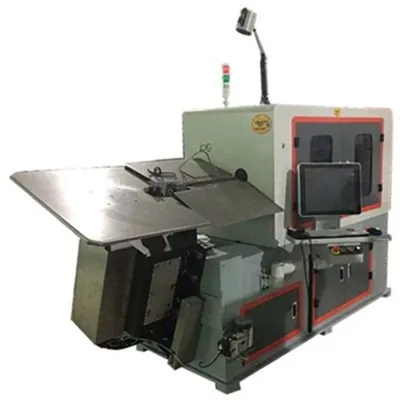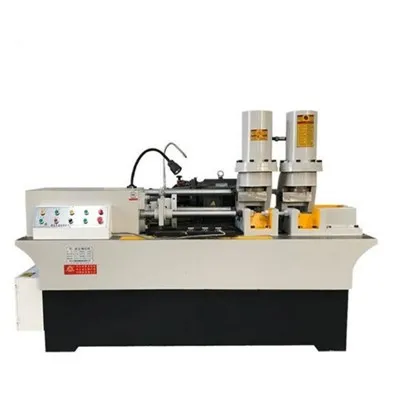

Adjusting the thread depth on a thread rolling machine is a crucial step to ensure the accuracy and quality of the threaded parts production. As a professional supplier of Thread Rolling Machines, we understand the importance of this process and are committed to providing detailed guidance to our customers.


Understanding the Basics of Thread Depth
Before delving into the adjustment process, it's essential to understand what thread depth is. Thread depth refers to the distance from the crest (the top of the thread) to the root (the bottom of the thread) of a screw thread. It is a critical dimension that affects the functionality and fit of threaded components. The correct thread depth ensures proper engagement between mating parts, which is vital for the structural integrity and performance of the assembled products.
Why Adjusting Thread Depth Matters
Inaccurate thread depth can lead to a variety of issues. If the thread depth is too shallow, the engagement between the fastener and the mating part may be insufficient, resulting in a weak joint that can loosen over time. On the other hand, if the thread depth is too deep, it can cause excessive stress on the threads, leading to premature failure or even breakage. Therefore, precise adjustment of the thread depth is necessary to produce high - quality threaded parts that meet the required specifications.
Pre - adjustment Preparations
- Inspect the Machine
- Before making any adjustments, carefully inspect the Thread Rolling Machine for any signs of damage or wear. Check the rolling dies, the drive system, and the control mechanisms. A worn - out or damaged component can affect the accuracy of the thread depth adjustment.
- Ensure that the machine is properly lubricated. Adequate lubrication reduces friction during the rolling process, which helps to maintain the consistency of the thread depth and prolongs the life of the machine.
- Gather the Necessary Tools
- You will need a set of precision measuring tools, such as a thread micrometer or a profilometer. These tools allow you to accurately measure the existing thread depth and monitor the changes during the adjustment process.
- Also, have the appropriate wrenches and screwdrivers on hand to loosen or tighten the relevant machine components.
Adjustment Steps for Different Types of Thread Rolling Machines
1. Manual Thread Rolling Machines
Manual thread rolling machines are relatively simple in design. They are often used for small - scale production or for prototypes.
- Identify the Adjustment Mechanism: Most manual machines have a mechanical adjustment mechanism. This may involve adjusting the position of the rolling dies. Loosen the locking screws that hold the dies in place.
- Measure and Adjust: Use a thread micrometer to measure the current thread depth. Based on the measurement, carefully move the rolling dies closer together or farther apart. For example, if the thread depth is too shallow, move the dies closer to increase the pressure and depth during the rolling process.
- Test and Fine - tune: Make a test piece and measure the thread depth again. If the result is not satisfactory, repeat the adjustment process until the desired thread depth is achieved. Then, tighten the locking screws to secure the dies in place.
2. Hydraulic Thread Rolling Machine
Hydraulic thread rolling machines offer more precise control and higher production efficiency.
- Understand the Hydraulic System: The hydraulic system in these machines is responsible for applying the force during the thread rolling process. The pressure in the hydraulic system can be adjusted to control the thread depth.
- Adjust the Pressure Valve: Locate the pressure adjustment valve on the hydraulic system. Use the appropriate tool to turn the valve. Increasing the pressure will generally result in a greater thread depth, while decreasing the pressure will make the thread shallower.
- Monitor and Calibrate: Use a pressure gauge to monitor the hydraulic pressure. After making an adjustment, produce a test part and measure the thread depth. If necessary, make further fine - adjustments to the pressure valve until the correct thread depth is obtained.
3. Steel Thread Rolling Machine
Steel thread rolling machines are designed specifically for rolling threads on steel materials.
- Consider the Material Properties: Steel has different mechanical properties compared to other materials. When adjusting the thread depth, take into account the hardness and ductility of the steel. Harder steels may require higher forces to achieve the desired thread depth.
- Adjust the Feed Rate and Force: Similar to other machines, the feed rate and the rolling force can be adjusted. Increase the feed rate carefully to ensure that the thread is formed evenly. Adjust the force through the machine's control panel or mechanical adjustment mechanism according to the material characteristics.
- Quality Inspection: After adjustment, conduct a thorough quality inspection of the rolled threads. Check for any signs of cracking, distortion, or inconsistent thread depth. Make any necessary final adjustments based on the inspection results.
Troubleshooting Common Issues
- Inconsistent Thread Depth
- This may be caused by uneven wear of the rolling dies. Inspect the dies and replace them if necessary.
- Inadequate lubrication can also lead to inconsistent thread depth. Check the lubrication system and ensure that it is functioning properly.
- Thread Breakage During Rolling
- If the thread breaks during the rolling process, it could be due to excessive thread depth. Reduce the pressure or adjust the position of the rolling dies to decrease the thread depth.
- The material may also be too brittle. Consider heat - treating the material before rolling to improve its ductility.
Importance of Regular Maintenance
Regular maintenance is essential to ensure the long - term accuracy of the thread depth adjustment. Clean the machine regularly to remove any debris or metal shavings that can affect the movement of the components. Check the alignment of the rolling dies and the drive system periodically. Replace any worn parts promptly to maintain the performance of the Thread Rolling Machine.
Conclusion
Adjusting the thread depth on a thread rolling machine is a technical but achievable task. By following the steps outlined above and paying attention to the details, you can produce high - quality threaded parts with accurate thread depths. As a leading supplier of thread rolling machines, we are dedicated to providing our customers with the best products and technical support. If you have any questions about thread depth adjustment or are interested in purchasing our Thread Rolling Machines, feel free to contact us for further discussion and procurement negotiation. We are here to help you meet your production needs.
References
- "Thread Rolling: Principles and Practice" by Industrial Press Inc.
- "Handbook of Manufacturing Engineering and Technology" edited by Y. K. Chou and T. K. Chang.