
Hey there! As a supplier of Reducing Diameter Machines, I've had my fair share of experiences with customers asking about how to adjust the diameter reduction amount of these machines. It's a crucial aspect, especially when you're working on projects that require precise sizing. So, let's dive right in and break it down step by step.
Understanding the Basics of a Reducing Diameter Machine
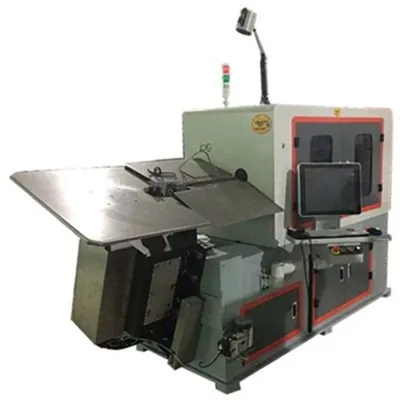
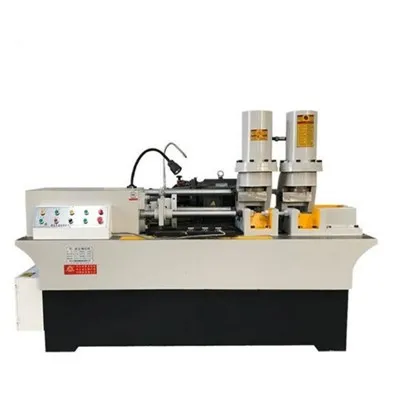
First things first, a reducing diameter machine is a nifty piece of equipment used to decrease the diameter of various materials, like rebar steel rods. We've got some great options, such as the Reducing Diameter Machine for Rebar Steel Rod and the High-Efficiency Diameter Reducing Machine. These machines work by applying pressure to the material, causing it to deform and shrink in diameter.
Factors Affecting Diameter Reduction Amount
Before we get into the adjustment process, it's important to understand the factors that can influence the diameter reduction amount.
Material Properties: Different materials have different levels of ductility and hardness. For example, softer metals like aluminum are easier to reduce in diameter compared to harder metals like stainless steel. The composition and heat treatment of the material also play a role.
Machine Settings: The initial settings of the reducing diameter machine, such as the speed of the rollers or the pressure applied, can significantly affect the reduction amount. If the machine is running too fast, it might not give the material enough time to deform properly, resulting in an inconsistent reduction.
Tooling: The quality and condition of the tooling used in the machine are crucial. Worn-out or damaged tooling can lead to uneven diameter reduction or even cause damage to the material.


Step-by-Step Guide to Adjusting the Diameter Reduction Amount
Step 1: Determine the Desired Diameter
The first step is to figure out the exact diameter you want to achieve. This might be specified by a project blueprint or a customer requirement. Make sure to measure the initial diameter of the material accurately using a caliper or a micrometer.
Step 2: Check the Machine Settings
Next, take a look at the current settings of the reducing diameter machine. Most modern machines have digital displays or control panels that allow you to adjust various parameters. Start by checking the speed setting. If you're aiming for a large diameter reduction, you might want to slow down the machine to give the material more time to deform.
Step 3: Adjust the Pressure
The pressure applied by the machine is one of the key factors in determining the diameter reduction amount. On our High-Efficiency Reducing Diameter Machine, you can usually adjust the pressure using a hydraulic or pneumatic system. Increase the pressure gradually and test the reduction on a sample piece of the material. Keep in mind that applying too much pressure can cause the material to crack or break, so it's a delicate balance.
Step 4: Inspect the Tooling
As mentioned earlier, the tooling plays a vital role in the diameter reduction process. Check the rollers or dies for any signs of wear or damage. If necessary, replace the tooling to ensure a consistent and accurate reduction. You might also need to adjust the alignment of the tooling to make sure it's applying pressure evenly across the material.
Step 5: Make Test Runs
Once you've made the initial adjustments, it's time to run a test piece through the machine. Measure the diameter of the test piece after the reduction and compare it to the desired diameter. If it's not quite right, make further adjustments to the machine settings or pressure. Repeat this process until you achieve the desired diameter reduction.
Tips for Consistent Diameter Reduction
- Keep the Material Clean: Dirt, debris, or rust on the material can affect the diameter reduction process. Make sure to clean the material before running it through the machine.
- Monitor the Temperature: The temperature of the material can also impact the reduction amount. If the material gets too hot during the process, it might become more malleable, leading to an inconsistent reduction. Consider using a cooling system if necessary.
- Maintain the Machine Regularly: Regular maintenance of the reducing diameter machine is essential to ensure its optimal performance. This includes lubricating the moving parts, checking the electrical connections, and calibrating the sensors.
Troubleshooting Common Issues
Even with the best adjustments, you might encounter some issues during the diameter reduction process. Here are some common problems and how to fix them.
Uneven Diameter Reduction: If you notice that the diameter reduction is uneven across the material, it could be due to misaligned tooling or inconsistent pressure. Check the alignment of the tooling and adjust the pressure settings as needed.
Material Cracking or Breaking: This could be a sign that the pressure is too high or the material is not suitable for the reduction amount you're trying to achieve. Reduce the pressure and consider using a different material or heat-treating the material to increase its ductility.
Machine Jamming: If the machine jams during the process, it could be because the material is too large or the tooling is clogged. Stop the machine immediately and remove the material. Check the tooling for any blockages and clean it if necessary.
Conclusion
Adjusting the diameter reduction amount of a reducing diameter machine might seem like a complex task, but with the right knowledge and a bit of practice, it can be done effectively. By understanding the factors that affect the reduction amount, following the step-by-step guide, and keeping these tips in mind, you can achieve consistent and accurate results.
If you're in the market for a high-quality reducing diameter machine or need further assistance with the adjustment process, don't hesitate to reach out. We're here to help you find the best solution for your needs. Whether you're working on a small DIY project or a large industrial application, our machines are designed to deliver top-notch performance. So, let's get in touch and start creating the perfect diameter for your materials!
References
- "Metal Forming Handbook: Processes and Applications" by Peter Groche, et al.
- "Machinery's Handbook" by Industrial Press Inc.