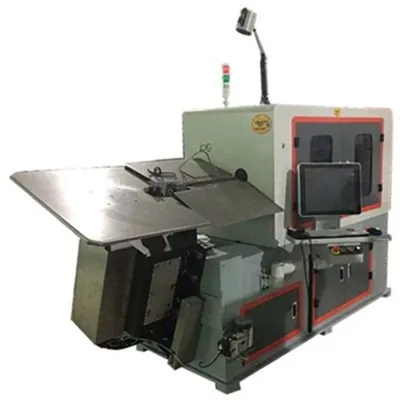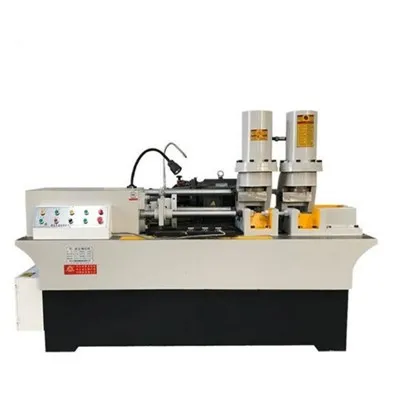

When you're in the market for a rolling threading machine, one thing you might not think about right off the bat is the noise level during operation. But trust me, as a supplier of all kinds of Roller Threading Machine, it's a pretty big deal.
Why Noise Matters in a Rolling Threading Machine
Let's start by talking about why noise level is important. First off, there's the obvious factor of the working environment. If you've got a noisy rolling threading machine chugging away in your workshop, it can be a real pain in the neck for your employees. Loud noise can cause stress, hearing damage over time, and can generally make the workplace a less pleasant place to be. Employees who are constantly exposed to high noise levels might become less productive, as they're distracted or dealing with the physical discomfort of the noise.
From a legal standpoint, there are regulations in many places regarding noise exposure in the workplace. You don't want to get hit with fines or legal issues because your rolling threading machine is too loud. So, understanding and managing the noise level of your equipment is crucial for staying compliant and keeping your business running smoothly.
Factors Affecting the Noise Level
Now, let's dig into what actually affects the noise level of a rolling threading machine.
Machine Design: The way a machine is built plays a huge role. A well - designed rolling threading machine typically has better insulation and damping features. For example, machines with a sturdy frame and high - quality bearings are generally quieter. The Small Two - axis Thread Rolling Machine we offer is designed with noise reduction in mind. Its compact and well - engineered structure helps to minimize the vibrations and noise generated during operation.
Speed of Operation: It's no surprise that the faster a rolling threading machine runs, the louder it can get. When the machine is operating at high speeds, there's more friction and movement, which creates more noise. If you're looking to keep the noise down, you might want to adjust the speed settings according to your production needs. Sometimes, a slightly slower speed can still get the job done while reducing the noise significantly.
Material Being Threaded: Different materials behave differently during the threading process. Harder materials like steel require more force to thread, which can result in more noise. Our Steel Thread Rolling Machine is designed to handle the challenges of working with steel, but it's important to note that threading steel will inherently generate more noise compared to softer materials.
Measuring the Noise Level
How do we know how loud a rolling threading machine is? Well, the noise level of machines is typically measured in decibels (dB). A normal conversation is around 60 dB, while a rock concert can reach up to 120 dB. In the case of rolling threading machines, the noise level can vary widely depending on the factors we just talked about.
On average, a smaller, slower - running rolling threading machine might produce noise levels in the range of 70 - 80 dB. This is similar to the noise level of a vacuum cleaner. Larger, high - speed machines, especially those working with hard materials, can reach noise levels of 90 dB or more. At this level, it's recommended to wear hearing protection, and if you're operating in a small space, the noise can be quite overwhelming.
Noise Reduction Strategies
If you're worried about the noise level of your rolling threading machine, there are several things you can do.
Isolation: One simple solution is to isolate the machine from the rest of the workshop. You can use vibration - damping pads or place the machine in a separate sound - proof enclosure. This not only reduces the noise that reaches the rest of the workplace but can also help to protect the machine from external vibrations.
Regular Maintenance: A well - maintained machine is a quieter machine. Make sure to keep the machine clean, lubricate the moving parts regularly, and replace any worn - out components. This will not only reduce noise but also extend the lifespan of the machine.
Choose the Right Machine: When you're in the market to buy a rolling threading machine, pay attention to the noise specifications. As a supplier, we can provide you with detailed information about the noise levels of different models. We'll help you find a machine that meets your production needs without breaking the noise banks.
The Impact of Noise on the Bottom Line
You might be thinking, “Okay, the noise is a nuisance, but does it really affect my business's bottom line?” The answer is yes.
As I mentioned earlier, a noisy workplace can lead to less productive employees. If your workers are constantly stressed or have their focus broken by the noise, they're not going to be working at their best. This can lead to lower production rates and potentially more mistakes.
Then there's the cost of compliance. If your business fails to meet workplace noise regulations, you could face hefty fines. Not to mention the potential legal issues if an employee suffers hearing damage due to excessive noise exposure.
But on the flip side, investing in a quieter rolling threading machine can be a great decision. It creates a better working environment, which can improve employee morale and productivity. It also helps you avoid costly fines and legal problems.
Conclusion and Call to Action
So, as you can see, the noise level of a rolling threading machine during operation is an important factor to consider. Whether you're a small workshop owner or running a large manufacturing facility, understanding the noise implications of your equipment can make a big difference.


If you're in the market for a new rolling threading machine or want to upgrade your existing one, we're here to help. We've got a wide range of models, from the compact Small Two - axis Thread Rolling Machine to the heavy - duty Steel Thread Rolling Machine. We can provide you with all the information you need about noise levels, performance, and pricing.
Don't hesitate to reach out for a consultation. We're happy to answer any questions you might have and help you find the perfect rolling threading machine for your business. Let's work together to create a quieter, more productive workplace.
References
- Occupational Safety and Health Administration (OSHA) guidelines on workplace noise exposure.
- Machinery's Handbook, a comprehensive reference for mechanical engineering and manufacturing.