
Hey there! As a supplier of Pipe Thread Rolling Machines, I get to hear all sorts of questions from customers every day. One question that really pops up quite often is about the influence of the rolling force on the threading quality of a Pipe Thread Rolling Machine. That's what I want to dig into today.
Understanding Pipe Thread Rolling Machines
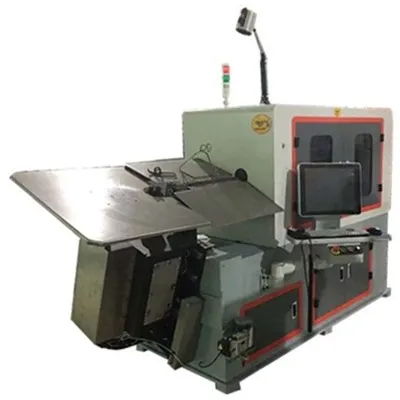
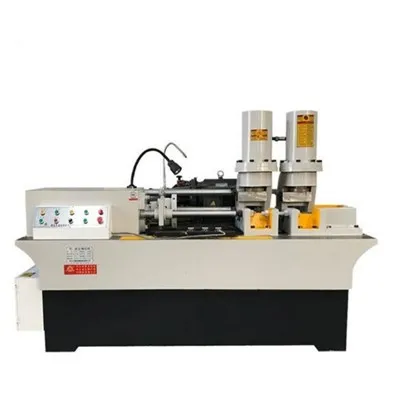
First off, let's talk a bit about these Pipe Thread Rolling Machines. We're in the business of providing top - notch Pipe Thread Rolling Machine that are designed to make the process of creating threads on pipes as efficient as possible. There are different types, like the Scaffolding Pipe Thread Rolling Machine and the 3 Roll Thread Rolling Machine. These machines work by using a rolling force to reshape the surface of the pipe into the desired thread shape, instead of cutting the material away like in some other methods.
The Role of Rolling Force
The rolling force is basically the amount of pressure that the machine applies to the pipe to form the threads. It's a crucial factor because it can directly impact the quality of the threads created.
Thread Profile Accuracy
If the rolling force is too low, the threads may not form properly. You might end up with incomplete thread profiles, where the peaks and valleys of the threads aren't as defined as they should be. This can be a huge problem because accurately - profiled threads are essential for a proper fit in applications. For example, in plumbing systems, poorly - formed threads can lead to leaks. On the other hand, if the rolling force is too high, it can cause over - deformation of the pipe material. The threads might become distorted, with irregular shapes and sizes. This not only affects the aesthetic appeal but also the functionality of the threaded pipes.
Thread Surface Finish
The rolling force also has a big impact on the surface finish of the threads. A well - controlled rolling force can result in a smooth surface finish. Smooth threads are great because they reduce friction during assembly and disassembly, and they're less likely to get damaged over time. When the rolling force is off - balance, the surface might end up being rough. Rough threads can catch on other parts, making it difficult to assemble the pipes properly. It can also cause premature wear and tear, which shortens the lifespan of the threaded components.
Material Integrity
Another important aspect is the integrity of the pipe material itself. When the rolling force is just right, it ensures that the material remains strong and durable. The rolling process actually work - hardens the material in the threaded area, which can increase its resistance to wear and corrosion. But if the force is excessive, it can cause internal stress in the pipe. This stress can lead to cracks or fractures, especially under high - pressure or dynamic loading conditions. And let's face it, a cracked pipe is a major headache for any customer.
Factors Affecting the Ideal Rolling Force
Figuring out the ideal rolling force isn't always a walk in the park. There are several factors that come into play.
Pipe Material
Different materials have different properties. For example, stainless steel pipes are harder and more resistant to deformation compared to copper or aluminum pipes. This means that we need to apply a higher rolling force when working with stainless steel to achieve the same quality of threads. We've had customers who didn't take this into account and ended up with sub - par threading results. It's essential to understand the material properties and adjust the rolling force accordingly.
Pipe Diameter and Wall Thickness
The diameter and wall thickness of the pipe also matter a great deal. Larger - diameter pipes and thicker - walled pipes generally require more rolling force. A small - diameter, thin - walled pipe can be easily damaged if we apply too much force, while a large - diameter, thick - walled pipe might not get properly threaded with a low force.
Thread Specification
The specific thread pattern and pitch that the customer wants also influence the rolling force. More complex thread patterns or finer pitches often need more precise control of the rolling force. We need to make sure that the machine can provide the right amount of pressure to create those detailed threads accurately.


Controlling the Rolling Force in Our Machines
At our company, we've put a lot of effort into developing features that allow for precise control of the rolling force. Our machines are equipped with advanced sensors and control systems. These sensors can measure the force being applied in real - time, and the control system can adjust it immediately if there are any deviations from the set value. This ensures that we can maintain a consistent rolling force throughout the threading process, no matter the variations in pipe material, diameter, or thread specification.
Conclusion
In conclusion, the rolling force has a significant influence on the threading quality of a Pipe Thread Rolling Machine. It affects the thread profile accuracy, surface finish, and the integrity of the pipe material. As a supplier, we understand how important it is to get this right. That's why we're constantly working on improving our machines to provide the best possible threading solutions.
If you're in the market for a high - quality Pipe Thread Rolling Machine, or if you have any questions about how the rolling force affects your specific applications, don't hesitate to reach out. We're here to help you navigate through the process and find the perfect machine for your needs. Let's have a chat and see how we can work together to get the best threading results.
References
- Smith, J. (2020). "Advanced Manufacturing Techniques in Pipe Threading". Engineering Journal.
- Johnson, A. (2019). "Material Science and Thread Rolling Forces". Materials Research Magazine.