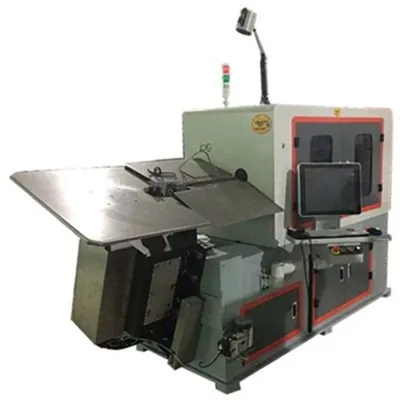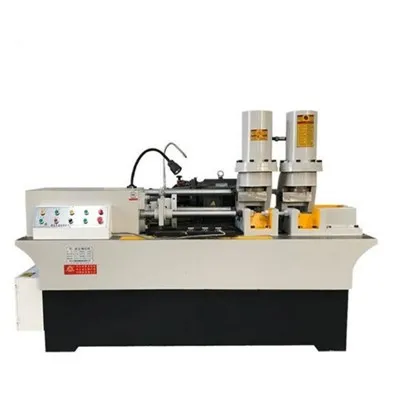

As a supplier of 3D wire bending machines, I've witnessed firsthand the transformative impact these machines have on various industries. From automotive to furniture manufacturing, 3D wire bending machines offer unparalleled precision and efficiency in creating complex wire shapes. However, like any sophisticated equipment, they are not without their challenges. In this blog post, I'll discuss some of the common problems associated with 3D wire bending machines and provide practical solutions to address them.
1. Bending Accuracy Issues
One of the most critical aspects of a 3D wire bending machine is its ability to achieve precise bends. However, several factors can affect bending accuracy, including:
- Tooling Wear: Over time, the bending tools can wear out, leading to inconsistent bend angles and dimensions. This is particularly common in high-volume production environments where the tools are subjected to frequent use.
- Material Variations: Different types of wire materials have varying mechanical properties, such as hardness and ductility. These variations can cause differences in bend quality, especially if the machine settings are not adjusted accordingly.
- Machine Calibration: Incorrect machine calibration can result in inaccurate bends. This can occur due to factors such as improper alignment of the bending tools or incorrect programming of the bending angles.
Solutions
- Regular Tooling Maintenance: Implement a regular maintenance schedule for the bending tools. This includes inspecting the tools for wear and tear, replacing worn-out tools promptly, and ensuring proper lubrication to reduce friction.
- Material Testing and Adjustment: Conduct material testing before starting production to determine the optimal machine settings for each type of wire material. Adjust the bending speed, force, and angle settings based on the test results to ensure consistent bend quality.
- Accurate Machine Calibration: Periodically calibrate the machine to ensure accurate bending. This involves checking and adjusting the alignment of the bending tools, verifying the accuracy of the encoder readings, and calibrating the bending angles using precision measuring tools.
2. Wire Feeding Problems
Smooth and consistent wire feeding is essential for the proper functioning of a 3D wire bending machine. However, several issues can disrupt the wire feeding process, including:
- Wire Tangling: Wire tangling can occur if the wire is not properly spooled or if there are obstructions in the wire feeding path. This can cause the wire to jam in the machine, leading to production delays and potential damage to the machine.
- Inconsistent Wire Tension: Inconsistent wire tension can result in uneven wire feeding, which can affect the accuracy of the bends. This can be caused by factors such as improper adjustment of the tensioning device or variations in the wire diameter.
- Wire Breakage: Wire breakage can occur due to excessive tension, sharp bends in the wire feeding path, or defects in the wire material. This can disrupt the production process and require manual intervention to replace the broken wire.
Solutions
- Proper Wire Spooling and Handling: Ensure that the wire is properly spooled and stored to prevent tangling. Use a wire spool holder or pay-off device to control the wire tension and prevent the wire from spinning freely.
- Tension Adjustment: Regularly check and adjust the wire tension to ensure consistent feeding. Use a tensioning device that can automatically adjust the tension based on the wire diameter and the production speed.
- Inspect the Wire Feeding Path: Regularly inspect the wire feeding path for any obstructions or sharp bends. Remove any debris or foreign objects that may cause wire tangling or breakage. Consider using a wire guide system to ensure smooth and straight wire feeding.
3. Machine Jamming
Machine jamming is a common problem that can occur in 3D wire bending machines. It can be caused by various factors, including:
- Wire Entanglement: As mentioned earlier, wire tangling can cause the wire to jam in the machine. This can occur if the wire is not properly fed or if there are obstructions in the wire feeding path.
- Tooling Misalignment: Incorrect alignment of the bending tools can cause the wire to get stuck between the tools, resulting in a jam. This can be due to improper installation of the tools or wear and tear over time.
- Foreign Objects: The presence of foreign objects, such as small pieces of metal or debris, in the machine can cause jams. These objects can enter the machine through the wire feeding path or during maintenance operations.
Solutions
- Preventive Maintenance: Implement a preventive maintenance program to keep the machine clean and free of debris. This includes regular cleaning of the wire feeding path, the bending tools, and the machine interior.
- Proper Tooling Installation and Alignment: Ensure that the bending tools are installed correctly and aligned properly. Follow the manufacturer's instructions for tooling installation and use precision measuring tools to verify the alignment.
- Emergency Stop and Clearing Procedures: Train the operators on the emergency stop and clearing procedures in case of a machine jam. This includes how to safely stop the machine, remove the jammed wire, and inspect the machine for any damage before restarting production.
4. Programming and Software Issues
The programming and software used in a 3D wire bending machine play a crucial role in determining the machine's performance. However, several issues can arise in this area, including:
- Programming Errors: Incorrect programming of the bending angles, lengths, and sequences can result in inaccurate bends or machine malfunctions. This can occur due to human error or lack of experience in using the programming software.
- Software Compatibility Issues: Compatibility issues between the machine's software and the operating system or other software applications can cause problems. This can lead to errors in data transfer, incorrect display of the programming interface, or even system crashes.
- Software Updates and Bug Fixes: Failure to install the latest software updates and bug fixes can result in performance issues and security vulnerabilities. These updates often include improvements to the machine's functionality, bug fixes, and compatibility enhancements.
Solutions
- Training and Skill Development: Provide comprehensive training to the operators on how to use the programming software effectively. This includes training on basic programming concepts, how to create and edit bending programs, and how to troubleshoot common programming errors.
- Software Compatibility Testing: Before installing new software or making any changes to the operating system, conduct compatibility testing to ensure that the machine's software works properly. This can help prevent issues such as data transfer errors or system crashes.
- Regular Software Updates: Stay up-to-date with the latest software updates and bug fixes provided by the machine manufacturer. Install these updates regularly to ensure optimal machine performance and security.
5. Electrical and Mechanical Failures
Like any complex machinery, 3D wire bending machines are prone to electrical and mechanical failures. These failures can be caused by various factors, including:
- Component Wear and Tear: Over time, the electrical and mechanical components of the machine can wear out due to continuous use. This can lead to issues such as motor failures, sensor malfunctions, or mechanical breakdowns.
- Power Supply Problems: Unstable power supply, such as voltage fluctuations or power outages, can cause damage to the machine's electrical components. This can result in system failures or incorrect operation of the machine.
- Environmental Factors: Harsh environmental conditions, such as high temperature, humidity, or dust, can affect the performance and lifespan of the machine's components. This can lead to increased wear and tear and a higher risk of failures.
Solutions
- Regular Maintenance and Inspection: Implement a regular maintenance schedule for the machine's electrical and mechanical components. This includes inspecting the components for wear and tear, replacing worn-out components promptly, and performing preventive maintenance tasks such as lubrication and cleaning.
- Power Protection: Install a power protection device, such as an uninterruptible power supply (UPS) or a voltage stabilizer, to protect the machine from power supply problems. This can help prevent damage to the electrical components and ensure continuous operation of the machine.
- Environmental Control: Provide a suitable environment for the machine to operate in. This includes maintaining a stable temperature and humidity level, protecting the machine from dust and debris, and ensuring proper ventilation to prevent overheating.
Conclusion
While 3D wire bending machines offer significant advantages in terms of precision and efficiency, they are not without their challenges. By understanding the common problems associated with these machines and implementing the appropriate solutions, you can minimize downtime, improve productivity, and ensure consistent bend quality. As a [Company Position], I am committed to providing high-quality 3D wire bending machines and comprehensive technical support to our customers. If you are facing any issues with your 3D wire bending machine or are interested in learning more about our products, please [Call to Action].


References
- [List relevant industry standards, technical manuals, or research papers related to 3D wire bending machines]