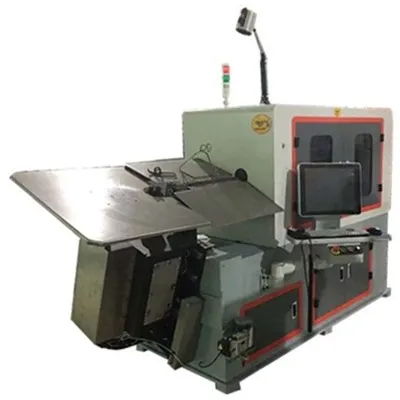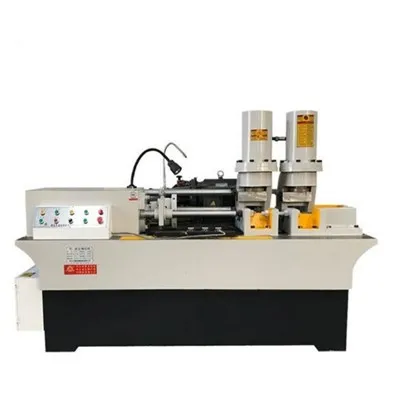

Hey there! As a supplier of Flat Wire Forming Machines, I've seen my fair share of common faults and how to troubleshoot them. In this blog, I'll walk you through some of the most typical issues that can pop up with these machines and share some practical solutions.
1. Feeding Problems
One of the most common issues with flat wire forming machines is feeding problems. The wire might not feed smoothly, or it could jam up in the machine.
Possible Causes:
- Dirty or Worn Feed Rollers: Over time, the feed rollers can get dirty with debris from the wire or wear out. This can cause the wire to slip or not move forward properly.
- Incorrect Tension: If the tension on the wire is too high or too low, it can lead to feeding issues. Too much tension might break the wire, while too little can cause it to bunch up.
- Blockages in the Feed Path: There could be small pieces of wire or other debris blocking the path that the wire travels through.
Solutions:
- Clean and Inspect the Feed Rollers: Use a clean cloth to wipe down the feed rollers and remove any dirt or debris. If they're worn out, consider replacing them. You can usually find replacement parts easily for most flat wire forming machines.
- Adjust the Tension: Refer to the machine's manual to find the correct tension settings for the type of wire you're using. Make small adjustments and test the feeding to see if it improves.
- Clear the Feed Path: Carefully check the entire feed path for any blockages. Use a small tool like a pick or a brush to remove any debris that you find.
2. Bending Accuracy Issues
Another common problem is when the machine doesn't bend the wire accurately. The bends might be off in terms of angle or position.
Possible Causes:


- Worn Bending Tools: The bending tools can wear down over time, especially if they're used frequently. This can lead to inaccurate bends.
- Incorrect Machine Settings: The settings for the bending angles and positions might not be set correctly. This could be due to human error or a software glitch.
- Improper Wire Alignment: If the wire isn't aligned properly in the machine, it can cause the bends to be off.
Solutions:
- Replace Worn Bending Tools: Check the bending tools for signs of wear, such as dull edges or excessive scratches. Replace them with new ones to ensure accurate bends.
- Verify and Adjust the Machine Settings: Double-check all the settings related to bending angles and positions. You might need to recalibrate the machine using the calibration tools provided. If there's a software issue, try restarting the machine or updating the software if possible.
- Ensure Proper Wire Alignment: Make sure the wire is centered and straight in the machine before starting the bending process. You can use alignment guides or fixtures to help with this.
3. Electrical Issues
Electrical problems can also occur with flat wire forming machines. These can range from minor glitches to more serious issues that prevent the machine from working at all.
Possible Causes:
- Loose Connections: Over time, the electrical connections inside the machine can become loose. This can cause intermittent power problems or even prevent the machine from starting.
- Faulty Electrical Components: Components like motors, sensors, or control boards can fail due to age, overheating, or other factors.
- Power Surges: Sudden power surges can damage the electrical components of the machine.
Solutions:
- Check and Tighten the Electrical Connections: Open the machine's electrical panel (make sure to turn off the power first!) and check all the connections. Use a screwdriver to tighten any loose screws or terminals.
- Test and Replace Faulty Components: If you suspect that a particular component is faulty, you can use a multimeter or other testing equipment to check it. If it's indeed faulty, replace it with a new one. You might need to consult the machine's manual or contact the manufacturer for the correct replacement part.
- Use a Surge Protector: To prevent damage from power surges, plug the machine into a good-quality surge protector. This can help safeguard the electrical components.
4. Machine Vibration and Noise
Excessive vibration and noise can be a sign that something's wrong with the flat wire forming machine.
Possible Causes:
- Loose Machine Parts: There could be bolts or other parts that have come loose over time. This can cause the machine to vibrate more than normal.
- Worn Bearings: Bearings are used in many parts of the machine, and if they're worn out, they can cause noise and vibration.
- Imbalanced Rotating Parts: Some parts of the machine rotate, and if they're not balanced correctly, it can lead to vibration and noise.
Solutions:
- Tighten Loose Parts: Go around the machine and check all the visible bolts and screws. Tighten any that are loose. Make sure not to over - tighten them, as this can also cause problems.
- Replace Worn Bearings: If you suspect that a bearing is worn, replace it. You'll need to disassemble the relevant part of the machine carefully to access the bearing.
- Balance Rotating Parts: This might require some specialized equipment and knowledge. You can either do it yourself if you're experienced or contact a professional technician to help.
5. Software and Programming Issues
In modern flat wire forming machines, software and programming play a crucial role. Issues with the software can cause all sorts of problems.
Possible Causes:
- Software Bugs: There could be bugs in the machine's software that cause it to malfunction.
- Incorrect Programming: If the machine is programmed incorrectly, it won't perform the tasks as expected.
- Outdated Software: Using an outdated version of the software can lead to compatibility issues and other problems.
Solutions:
- Update the Software: Check the manufacturer's website for any software updates for your machine. Download and install the latest version following the provided instructions.
- Check and Correct the Programming: Review the programming code carefully to make sure there are no errors. If you're not familiar with programming, you might need to consult an expert or refer to the machine's programming guide.
- Contact the Manufacturer's Support: If you're still having issues after trying the above steps, reach out to the manufacturer's support team. They can often provide more in - depth troubleshooting and help you resolve software - related problems.
Where to Find Quality Flat Wire Forming Machines
If you're in the market for a new flat wire forming machine or looking to upgrade your existing one, you might want to check out some of the great options available. For example, you can take a look at our 3d Cnc Wire Bending Machine and Automatic 3d Wire Bending Machine. Of course, our Flat Wire forming Machine is also a top - notch choice for all your wire forming needs.
If you have any questions about troubleshooting or are interested in purchasing a flat wire forming machine, don't hesitate to reach out. We're here to help you find the right solution for your business. Whether you're a small workshop or a large manufacturing facility, we can provide the support and equipment you need.
Conclusion
Troubleshooting common faults of a flat wire forming machine might seem daunting at first, but with a little knowledge and some basic tools, you can often resolve many of the issues on your own. By following the steps outlined in this blog, you can keep your machine running smoothly and ensure that it produces high - quality wire forms. Remember, if you ever get stuck or need more help, don't hesitate to contact the manufacturer or a professional technician. And if you're thinking about getting a new flat wire forming machine, we'd love to have a chat with you about your requirements.
References
- Manufacturer's manuals for flat wire forming machines
- Industry experience and knowledge from working with flat wire forming machines
So, if you're looking to improve your wire forming operations or need a new machine, let's start a conversation about your needs. We're eager to assist you in finding the perfect solution!