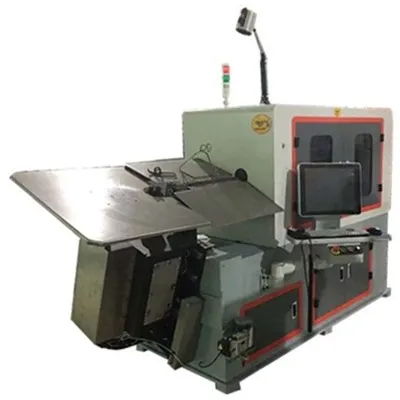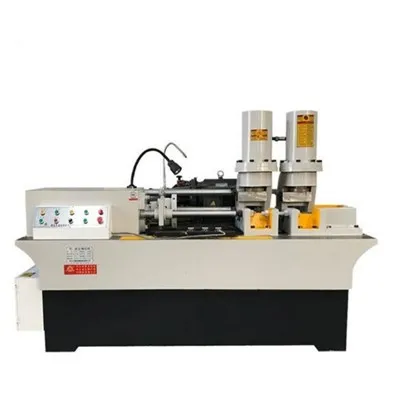

Transporting a wire bending CNC machine is a crucial process that requires careful planning and execution. As a supplier of Wire Bending Cnc Machine, I've dealt with numerous shipping and transport scenarios. Here's a breakdown of how to handle it.
Pre - transport Preparation
The first step is to conduct a thorough assessment of the machine. You need to know its exact dimensions, weight, and any special components that might be delicate or require extra care. Measure the length, width, and height down to the millimeter, and weigh the machine accurately. This information is crucial as it helps in choosing the right transportation method and equipment.
Next, you've got to clean the machine. Remove all the loose debris, chips, and any leftover wire pieces from the bending area. A clean machine not only reduces the risk of damage during transit but also makes it easier to inspect for any potential issues later.
It's also a good idea to document the machine's condition before transport. Take detailed photos from multiple angles, especially focusing on any pre - existing scratches, dents, or other damages. Make a list of all the parts and accessories that come with the machine. This documentation will be your proof in case of any disputes with the shipping company if something goes wrong during transport.
Disassembly
Depending on the size and complexity of the Wire Bending Machine Cnc, partial disassembly might be necessary. This can make the machine more manageable for transport and also reduce the risk of damage to individual components.
Start by removing any removable parts such as bending tools, control panels, and outfeed conveyor systems. Label each part clearly, so you know exactly where it goes when it's time to reassemble. Make sure to store these parts in a secure container, preferably with some cushioning material like foam or bubble wrap to prevent them from getting damaged.
For components that can't be fully removed but need some protection, use tape or straps to secure loose wires and cables. This keeps them from getting tangled or snagged during transit.
Packaging
Packaging is a key step in ensuring the machine arrives in one piece. Use high - quality packaging materials like heavy - duty wooden crates or steel frames. Wooden crates are a popular choice as they are relatively lightweight and can provide good protection.
Line the crate with a layer of foam or rubber padding to absorb shocks and vibrations during transport. Place the machine or its components gently inside the crate, making sure they are centered and stable. Fill any empty spaces with additional padding, such as packing peanuts or expanded polystyrene.
If you're shipping smaller parts, use sealed plastic bags or cardboard boxes within the crate. This keeps them organized and prevents them from shifting around.
Choosing a Transportation Method
There are several transportation methods available, each with its own pros and cons.
Road Transport
This is the most common method for local or regional deliveries. Trucks offer a high level of flexibility as they can deliver directly to the customer's location. However, road transport is subject to traffic, weather conditions, and road quality. Make sure to choose a reliable trucking company with experience in transporting heavy machinery.


Rail Transport
Rail transport is a good option for long - distance shipments within a country. It's generally more cost - effective than road transport for large and heavy items. Trains can handle large volumes and are less affected by traffic congestion. But the downside is that you might need to arrange for additional local transport to and from the railway station.
Sea Freight
If you're shipping overseas, sea freight is often the most economical choice. You'll need to find a shipping container that fits the machine's dimensions. There are two main types of containers: 20 - foot and 40 - foot containers. Make sure the container is properly sealed and secured to prevent water damage and movement during the voyage.
Air Freight
Air freight is the fastest option but also the most expensive. It's suitable for urgent deliveries or when the machine needs to be transported a very long distance quickly. However, there are weight and size restrictions, so you need to ensure that the machine can meet the airline's requirements.
Loading and Unloading
Loading and unloading the machine require special care. Use appropriate lifting equipment such as cranes, forklifts, or pallet jacks. The operators of these machines should be well - trained and experienced in handling heavy machinery.
When loading the machine into a truck or container, make sure it is properly secured to prevent it from moving during transit. Use straps, chains, or bolts to fasten it to the transportation vehicle. The same care should be taken during unloading to avoid any bumps or drops.
Insurance
No matter how careful you are, accidents can happen during transport. That's why it's essential to get insurance for the Steel Wire Bending Machine. Contact an insurance company that specializes in insuring heavy machinery. Provide them with all the necessary details about the machine, including its value, condition, and the transportation route.
Tracking and Communication
Once the machine is on its way, stay in touch with the shipping company. Most shipping companies offer tracking services, so you can monitor the progress of the shipment in real - time. If there are any delays or issues, you'll be able to address them promptly.
Also, keep the customer informed about the status of the shipment. Provide them with tracking details so they know when to expect the machine's arrival. Good communication can go a long way in building trust with your customers.
Reassembly
After the machine arrives at its destination, it's time to reassemble it. Follow the documentation and labels you created during disassembly. Take your time and be careful not to damage any parts during the process.
Test the machine thoroughly after reassembly to ensure it's working properly. Check all the functions, bend some test wires, and make sure the control panel is functioning as expected. If there are any issues, address them immediately.
If you're a business in need of a Wire Bending Cnc Machine, we're here to help. Our team of experts can guide you through the entire process, from choosing the right machine to ensuring its safe transport. Whether you're looking for a small - scale machine for a workshop or a large - scale industrial solution, we've got you covered. Contact us to start a discussion about your specific requirements and let's work together to find the perfect solution for your business.
References
- Industry best practices for heavy machinery transportation.
- Manufacturer's guidelines for wire bending CNC machines.
- Shipping and logistics industry standards.