
Hey there! I'm a supplier of rolling threading machines, and I get a lot of questions from customers about how to improve the threading quality of these machines. Well, you're in luck because I've got some solid tips and tricks to share with you.
First off, let's talk about the basics. Understanding the working principle of a rolling threading machine is crucial. It works by using rotating dies to form threads on a workpiece. The quality of the threads depends on a bunch of factors, like the machine settings, the material of the workpiece, and the condition of the dies.
Machine Setup and Maintenance
The way you set up your rolling threading machine is super important. Make sure the machine is properly installed and leveled. An uneven surface can cause the threading to be off - center or of inconsistent depth. Check the alignment of the dies regularly. Misaligned dies will lead to poor - quality threads. You can use precision measuring tools to ensure the dies are in the correct position.


Regular maintenance is a must. Keep the machine clean. Dirt and debris can cause wear and tear on the moving parts and affect the threading quality. Lubricate the machine as recommended by the manufacturer. Proper lubrication reduces friction, which not only extends the life of the machine but also helps to create smoother threads.
Workpiece Material
The type of material you're working with matters a great deal. Different materials have different properties, such as hardness, ductility, and grain structure. For example, softer materials like aluminum are generally easier to thread than harder materials like steel. If you're working with a hard material, you might need to adjust the machine settings, like the feed rate and the rolling force.
Also, the surface finish of the workpiece can impact the threading quality. A rough surface can cause the dies to wear out faster and result in uneven threads. So, it's a good idea to pre - process the workpiece to get a smooth surface.
Die Selection and Care
Choosing the right dies is key. There are different types of dies available, and each is designed for specific applications. Make sure you select the dies that match the thread size, pitch, and the material of the workpiece. For instance, if you need to create fine - pitched threads, you'll need the appropriate fine - pitched dies.
Taking care of your dies is just as important. After each use, clean the dies thoroughly to remove any metal chips or debris. Inspect them for signs of wear or damage. If you notice any issues, replace the dies promptly. Using worn - out dies will produce low - quality threads and can even damage the workpiece.
Machine Settings
Now, let's dive into the machine settings. The feed rate is a critical factor. If the feed rate is too high, the dies might not have enough time to form the threads properly, leading to incomplete or distorted threads. On the other hand, if the feed rate is too low, it can be a waste of time and might cause over - rolling, which can also affect the thread quality. You'll need to find the sweet spot based on the material and the threading requirements.
The rolling force also plays a big role. The force should be sufficient to form the threads but not so high that it causes the workpiece to deform or the dies to break. You may need to do some trial - and - error to determine the optimal rolling force for different materials and thread sizes.
Operator Skill
Don't underestimate the importance of the operator's skill. A well - trained operator can make a huge difference in the threading quality. They should know how to adjust the machine settings according to the specific requirements of each job. They should also be able to recognize common threading problems, like thread pitch variations or damaged threads, and take corrective actions quickly.
Troubleshooting Common Threading Issues
Let's look at some common threading issues and how to fix them. If you're getting inconsistent thread pitch, it could be due to misaligned dies or a problem with the feed mechanism. Check the alignment of the dies and make sure the feed rate is stable.
If the threads are too shallow or too deep, it's likely related to the rolling force or the machine settings. Adjust the rolling force gradually until you get the desired thread depth.
Another common problem is thread chipping or flaking. This can be caused by dull dies or improper lubrication. Replace the dies if they're dull and make sure the machine is properly lubricated.
Our Product Recommendations
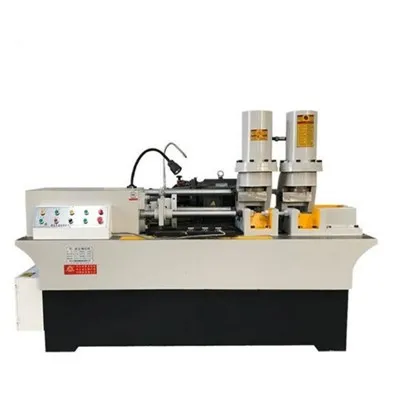
As a rolling threading machine supplier, I'd like to introduce some of our great products. We have the Small Two-axis Steel Bar Threading Machine. This machine is perfect for small - scale projects and offers high - precision threading.
If you need a more advanced option, check out our High-precision Thread Rolling Machine. It's designed for high - volume production and can produce extremely accurate threads.
For those working with round bars, our Round Bar Threading Machine is a great choice. It's specially designed to handle round bar materials and provides excellent threading quality.
Conclusion
Improving the threading quality of a rolling threading machine is a combination of proper machine setup, maintenance, appropriate die selection, correct machine settings, and operator skill. By following the tips I've shared in this blog, you can significantly enhance the quality of the threads produced by your machine.
If you're interested in our rolling threading machines or need more advice on improving threading quality, don't hesitate to get in touch with us. We're always happy to help you find the best solutions for your threading needs. So, reach out to us for a purchase discussion!
References
- General knowledge in the field of rolling threading machines
- Manufacturer's manuals and guidelines for rolling threading machines