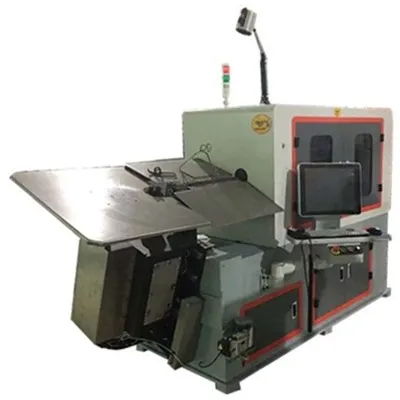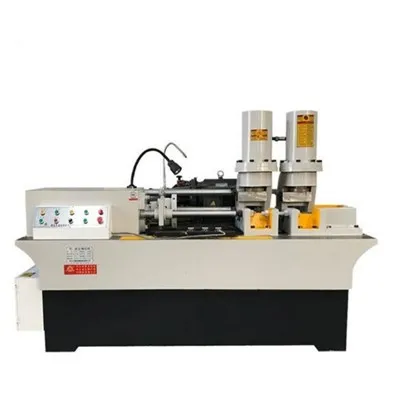

Calibrating a 3D wire bending machine is a crucial process that ensures the machine operates with precision, accuracy, and efficiency. As a reputable supplier of [link text="3d Cnc Wire Bending Machine" url="/wire-bending-machine/3d-wire-bending-machine/3d-cnc-wire-bending-machine.html"], [link text="Flat Wire forming Machine" url="/wire-bending-machine/3d-wire-bending-machine/flat-wire-forming-machine.html"], and [link text="Cnc 3d Wire Bending Machine" url="/wire-bending-machine/3d-wire-bending-machine/cnc-3d-wire-bending-machine.html"], I understand the significance of proper calibration in achieving high-quality wire bending results. In this blog post, I will share some essential steps and tips on how to calibrate a 3D wire bending machine effectively.
Understanding the Basics of 3D Wire Bending Machines
Before diving into the calibration process, it's important to have a basic understanding of how 3D wire bending machines work. These machines are designed to bend wires into complex three-dimensional shapes with high precision. They typically consist of a wire feeding system, a bending unit, a control system, and a tooling set. The wire feeding system delivers the wire to the bending unit, where it is bent according to the programmed instructions. The control system manages the entire process, ensuring that the machine operates smoothly and accurately.
Pre-Calibration Checks
Before starting the calibration process, it's essential to perform a series of pre-calibration checks to ensure that the machine is in good working condition. Here are some key checks to perform:
- Inspect the Machine: Check the machine for any visible damage, loose parts, or signs of wear and tear. Make sure all the components are properly installed and tightened.
- Clean the Machine: Remove any debris, dust, or dirt from the machine, especially from the wire feeding system, bending unit, and tooling set. A clean machine will operate more smoothly and accurately.
- Check the Wire: Inspect the wire for any defects, such as kinks, bends, or scratches. Make sure the wire is of the correct diameter and material for the intended application.
- Verify the Tooling: Check the tooling set to ensure that it is the correct size and shape for the wire being used. Make sure the tooling is properly installed and aligned.
Calibrating the Wire Feeding System
The wire feeding system is responsible for delivering the wire to the bending unit at a consistent speed and tension. Proper calibration of the wire feeding system is essential for achieving accurate wire bending results. Here are the steps to calibrate the wire feeding system:
- Adjust the Wire Guide: Make sure the wire guide is properly aligned with the wire feeding system. The wire should pass through the guide smoothly without any resistance.
- Set the Feeding Speed: Adjust the feeding speed of the wire according to the requirements of the bending process. The feeding speed should be consistent and stable to ensure accurate wire bending.
- Check the Tension: Adjust the tension of the wire to ensure that it is neither too loose nor too tight. The tension should be sufficient to keep the wire straight and prevent it from slipping during the bending process.
Calibrating the Bending Unit
The bending unit is the heart of the 3D wire bending machine. It is responsible for bending the wire into the desired shape. Proper calibration of the bending unit is essential for achieving accurate and consistent wire bending results. Here are the steps to calibrate the bending unit:
- Adjust the Bending Angle: Use a protractor or a digital angle gauge to measure the bending angle of the wire. Adjust the bending angle of the machine according to the requirements of the bending process. Make sure the bending angle is accurate and consistent.
- Set the Bending Radius: Use a radius gauge to measure the bending radius of the wire. Adjust the bending radius of the machine according to the requirements of the bending process. Make sure the bending radius is accurate and consistent.
- Check the Tooling Alignment: Make sure the tooling set is properly aligned with the bending unit. The tooling should be positioned correctly to ensure that the wire is bent accurately.
Calibrating the Control System
The control system is responsible for managing the entire wire bending process. It ensures that the machine operates smoothly and accurately according to the programmed instructions. Proper calibration of the control system is essential for achieving high-quality wire bending results. Here are the steps to calibrate the control system:
- Verify the Program: Check the program to ensure that it is correct and error-free. Make sure the program is compatible with the machine and the wire being used.
- Adjust the Parameters: Adjust the parameters of the control system, such as the feeding speed, bending angle, and bending radius, according to the requirements of the bending process. Make sure the parameters are accurate and consistent.
- Test the Program: Run a test program to verify that the machine is operating correctly. Check the bending results to ensure that they are accurate and consistent.
Testing and Fine-Tuning
After calibrating the wire feeding system, bending unit, and control system, it's important to test the machine and fine-tune the calibration if necessary. Here are the steps to test and fine-tune the machine:


- Run a Test Bending: Run a test bending using a sample wire to verify that the machine is operating correctly. Check the bending results to ensure that they are accurate and consistent.
- Measure the Bending Results: Use a measuring tool, such as a caliper or a micrometer, to measure the bending results. Compare the measured results with the desired results to determine if any adjustments are needed.
- Fine-Tune the Calibration: If the bending results are not accurate or consistent, fine-tune the calibration of the machine by adjusting the parameters of the wire feeding system, bending unit, or control system. Repeat the testing process until the desired results are achieved.
Conclusion
Calibrating a 3D wire bending machine is a complex and time-consuming process, but it is essential for achieving high-quality wire bending results. By following the steps and tips outlined in this blog post, you can ensure that your 3D wire bending machine is calibrated correctly and operating at its best. If you have any questions or need further assistance with calibrating your 3D wire bending machine, please don't hesitate to contact us. We are a leading supplier of [link text="3d Cnc Wire Bending Machine" url="/wire-bending-machine/3d-wire-bending-machine/3d-cnc-wire-bending-machine.html"], [link text="Flat Wire forming Machine" url="/wire-bending-machine/3d-wire-bending-machine/flat-wire-forming-machine.html"], and [link text="Cnc 3d Wire Bending Machine" url="/wire-bending-machine/3d-wire-bending-machine/cnc-3d-wire-bending-machine.html"], and we are committed to providing our customers with the highest quality products and services. Contact us today to learn more about our products and how we can help you achieve your wire bending goals.
References
- [Insert relevant industry standards or technical manuals here]
- [Insert any other relevant references here]