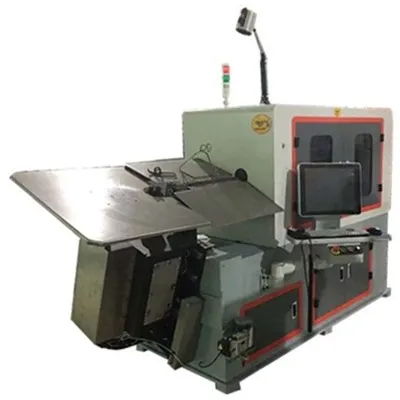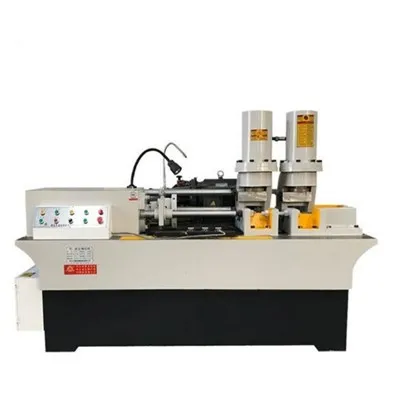

Hey there! I'm a supplier of Flat Wire Forming Machines, and today I'm gonna share some tips on how to adjust the tension of the flat wire in a flat wire forming machine. It's a crucial part of getting the best results from your machine, so let's dive right in.
Why Tension Adjustment Matters
First off, you might be wondering why adjusting the flat wire tension is such a big deal. Well, proper tension ensures that the flat wire feeds smoothly through the machine. If the tension is too loose, the wire can sag or bunch up, leading to uneven bends and poor-quality formed parts. On the other hand, if the tension is too tight, it can put excessive stress on the wire, causing it to break or deform in an unwanted way. So, finding that sweet spot is essential for efficient production and high - quality output.
Tools You'll Need
Before you start adjusting the tension, gather the necessary tools. You'll typically need a set of wrenches to loosen and tighten the tensioning components. A tension gauge can also be super helpful. It allows you to measure the exact tension of the wire, so you can make precise adjustments. Some modern flat wire forming machines might even have built - in tension sensors, but if yours doesn't, a handheld tension gauge is a great investment.
Step - by - Step Tension Adjustment
Step 1: Inspect the Machine
Start by taking a good look at your flat wire forming machine. Check for any signs of wear or damage to the tensioning mechanisms. Make sure all the pulleys, guides, and rollers are clean and in good working condition. Any debris or damage can affect the tension and the overall performance of the machine.
Step 2: Loosen the Tensioning Device
Locate the tensioning device on your machine. This could be a tensioning arm, a spring - loaded mechanism, or a set of adjustable rollers. Use your wrenches to loosen the nuts or bolts that hold the tensioning device in place. This will allow you to make adjustments more easily.
Step 3: Feed the Wire
Feed a length of flat wire through the machine, following the normal path it takes during the forming process. Make sure the wire is properly seated in all the guides and pulleys. This will give you a baseline for adjusting the tension.


Step 4: Initial Tension Setting
If you're using a tension gauge, attach it to the wire at a point between two pulleys or guides. Start with a relatively low tension setting. This is better than starting too high, as it's easier to increase the tension gradually.
Step 5: Make Small Adjustments
Slowly tighten the tensioning device. As you do this, keep an eye on the tension gauge (if you're using one). Make small adjustments, about a quarter - turn of the nut or bolt at a time. After each adjustment, run a short length of wire through the machine to see how it behaves.
Step 6: Check the Formed Parts
Once you've made an adjustment, form a few parts using the machine. Inspect the formed parts for any signs of uneven bends, loose sections, or excessive stress marks. If the parts look good, you're on the right track. If not, continue making small adjustments to the tension.
Step 7: Fine - Tuning
Keep repeating steps 5 and 6 until you achieve the desired tension. This might take a few tries, but patience is key. Remember, the goal is to have a consistent tension throughout the entire length of the wire as it passes through the machine.
Common Issues and Solutions
Loose Wire
If you notice that the wire is sagging or not feeding smoothly, the tension is probably too low. Go back to step 5 and gradually increase the tension until the wire feeds properly.
Broken Wire
A broken wire usually indicates that the tension is too high. Loosen the tensioning device and make smaller adjustments until the wire no longer breaks.
Uneven Bends
Uneven bends can be caused by inconsistent tension. Check all the guides and pulleys to make sure the wire is moving freely. Also, double - check the tension adjustment to ensure it's consistent along the entire length of the wire.
Other Considerations
The type of flat wire you're using can also affect the tension requirements. Different materials, such as stainless steel, copper, or aluminum, have different properties. For example, stainless steel is generally stiffer than copper, so it might require a higher tension to feed smoothly through the machine.
The speed at which the machine is running can also impact the tension. If you increase the machine speed, you might need to adjust the tension slightly to maintain a consistent feed.
Related Machines
If you're in the market for other wire - bending machines, we also offer some great options. Check out our Cnc 3d Wire Bending Machine and 3d Cnc Wire Bending Machine. These machines are perfect for more complex wire - bending tasks. And if you need a machine for forming double - wire O shapes, our Double Wire O Forming Machine is a great choice.
Conclusion
Adjusting the tension of the flat wire in a flat wire forming machine is a skill that takes a bit of practice, but it's well worth the effort. By following these steps and keeping an eye on the common issues, you can ensure that your machine runs smoothly and produces high - quality formed parts.
If you're interested in purchasing a flat wire forming machine or have any questions about tension adjustment or our other wire - bending machines, don't hesitate to reach out. We're here to help you get the most out of your wire - forming operations.
References
- "Wire Forming Technology Handbook"
- Manufacturer's manual for flat wire forming machines