
Hey there! As a supplier of Flat Wire Forming Machines, I often get asked if these machines can be integrated into an automated production line. Well, the short answer is yes, they can! In this blog post, I'll dive into the details of how a flat wire forming machine fits into an automated setup, the benefits it brings, and some considerations you need to keep in mind.
How a Flat Wire Forming Machine Can Be Integrated
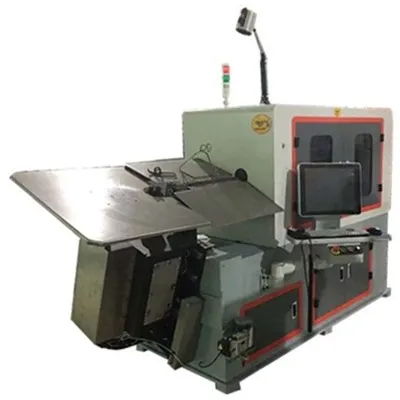
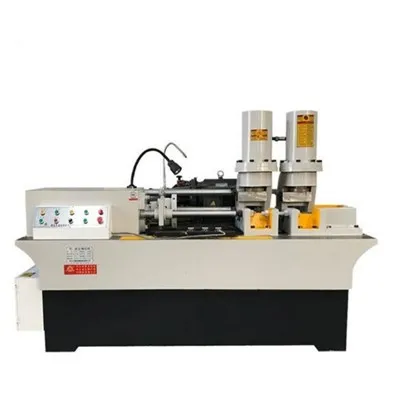
First off, let's understand what a flat wire forming machine does. A Flat Wire forming Machine is designed to shape flat wires into various forms, such as springs, clips, and other custom parts. These machines are highly precise and can handle different wire materials and thicknesses.
When it comes to integrating a flat wire forming machine into an automated production line, there are a few key steps. The first step is to ensure that the machine can communicate with other equipment in the line. Most modern flat wire forming machines come with advanced control systems that support various communication protocols, like Ethernet/IP or Profibus. This allows the machine to exchange data with other devices, such as robots, conveyors, and quality control systems.
For example, a robot can be programmed to load the flat wire into the forming machine and unload the finished parts. The conveyor system can then transport the parts to the next stage of production. The quality control system can check the formed parts for any defects and send the data back to the forming machine for adjustment if necessary.
Another important aspect is the physical layout of the production line. The flat wire forming machine needs to be placed in a way that allows for easy access and efficient material flow. It should also be compatible with the height and dimensions of other equipment in the line.
Benefits of Integration
There are several benefits to integrating a flat wire forming machine into an automated production line. One of the biggest advantages is increased productivity. Automated systems can run 24/7 without breaks, which means more parts can be produced in a shorter amount of time. The machine can also operate at a consistent speed and precision, reducing the risk of human error and improving the overall quality of the parts.
Cost savings are another significant benefit. By automating the production process, you can reduce labor costs and minimize waste. The machine can optimize the use of materials, cutting down on scrap and saving money in the long run. Additionally, the reduced need for manual labor means fewer workplace accidents and injuries, which can also lead to cost savings.
Integration also improves flexibility. With an automated production line, you can easily change the production settings to accommodate different part designs and volumes. The flat wire forming machine can be reprogrammed quickly, allowing for rapid prototyping and production of custom parts.
Considerations
While integrating a flat wire forming machine into an automated production line offers many benefits, there are also some considerations to keep in mind. One of the main challenges is the initial investment. Setting up an automated production line requires a significant amount of capital, including the cost of the flat wire forming machine, robots, conveyors, and other equipment. You also need to factor in the cost of installation, programming, and training.
Another consideration is the complexity of the system. Automated production lines are complex and require a high level of technical expertise to operate and maintain. You need to have a team of skilled technicians who can troubleshoot any issues that may arise and ensure the smooth running of the line.
Compatibility is also a crucial factor. The flat wire forming machine needs to be compatible with the existing equipment in the production line. This includes the software, hardware, and communication protocols. If there are any compatibility issues, it can lead to delays and additional costs.
Related Machines
In addition to the flat wire forming machine, there are other machines that can be used in an automated production line. For example, the Cnc 3d Wire Bending Machine is a versatile machine that can bend wires in three dimensions. It can be used to create complex wire forms that may not be possible with a flat wire forming machine alone.
The 3d Cnc Wire Bending Machine is another option. This machine combines the precision of CNC technology with the ability to bend wires in three dimensions, making it ideal for producing high-quality wire parts.
Conclusion
In conclusion, a flat wire forming machine can definitely be integrated into an automated production line. The integration offers many benefits, including increased productivity, cost savings, and improved flexibility. However, it also requires careful planning, a significant investment, and a high level of technical expertise.
If you're considering integrating a flat wire forming machine into your production line, I'd be happy to help. We have a team of experts who can provide you with more information and guidance on the best solutions for your specific needs. Whether you're looking for a single machine or a complete automated production line, we can work with you to find the right fit.
So, if you're interested in learning more about our flat wire forming machines or other related equipment, feel free to reach out. Let's start a conversation and see how we can take your production to the next level.


References
- "Automation in Manufacturing: Principles and Applications" by Peter R. Nof
- "CNC Machining Handbook" by Chris Mack